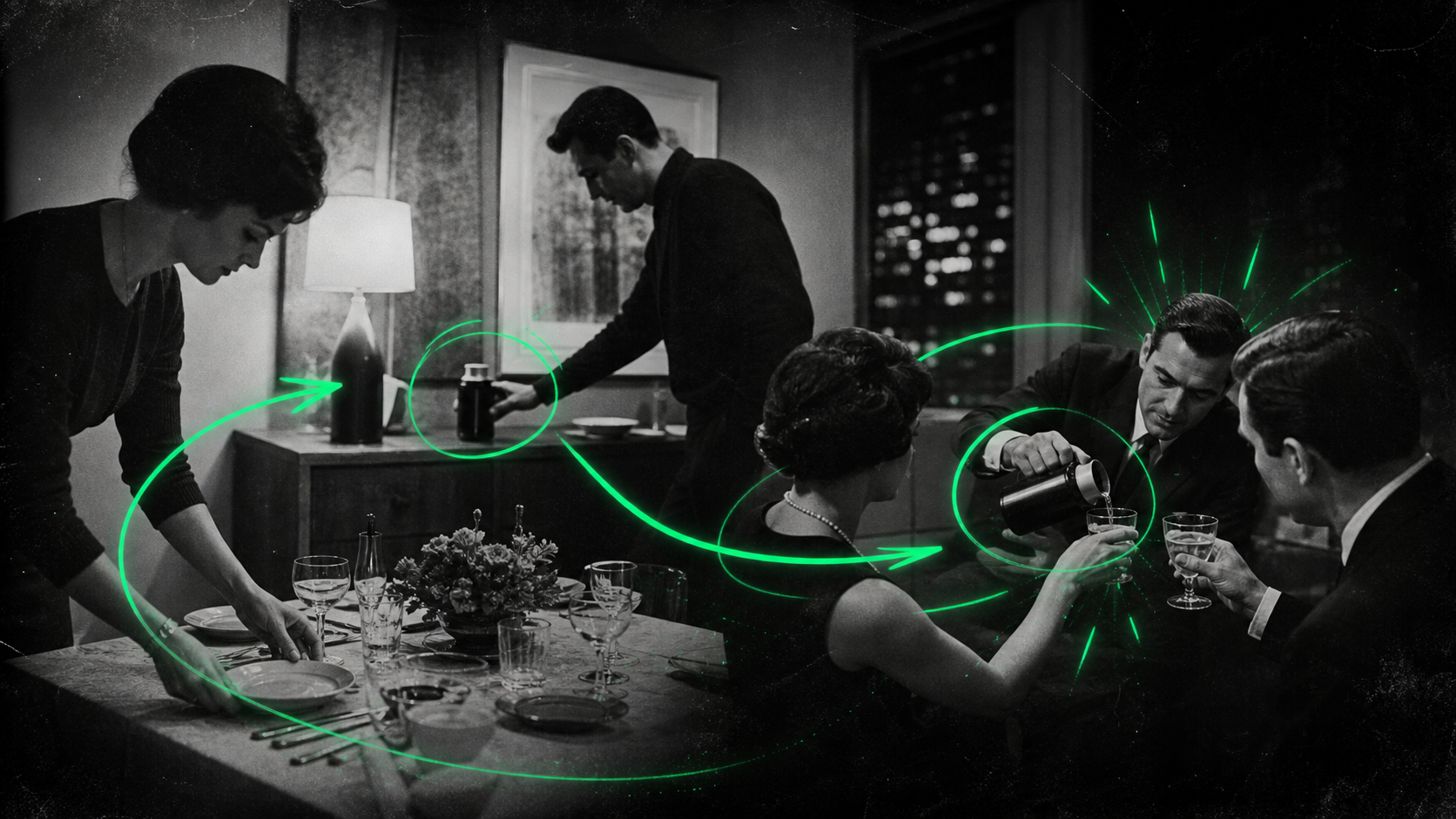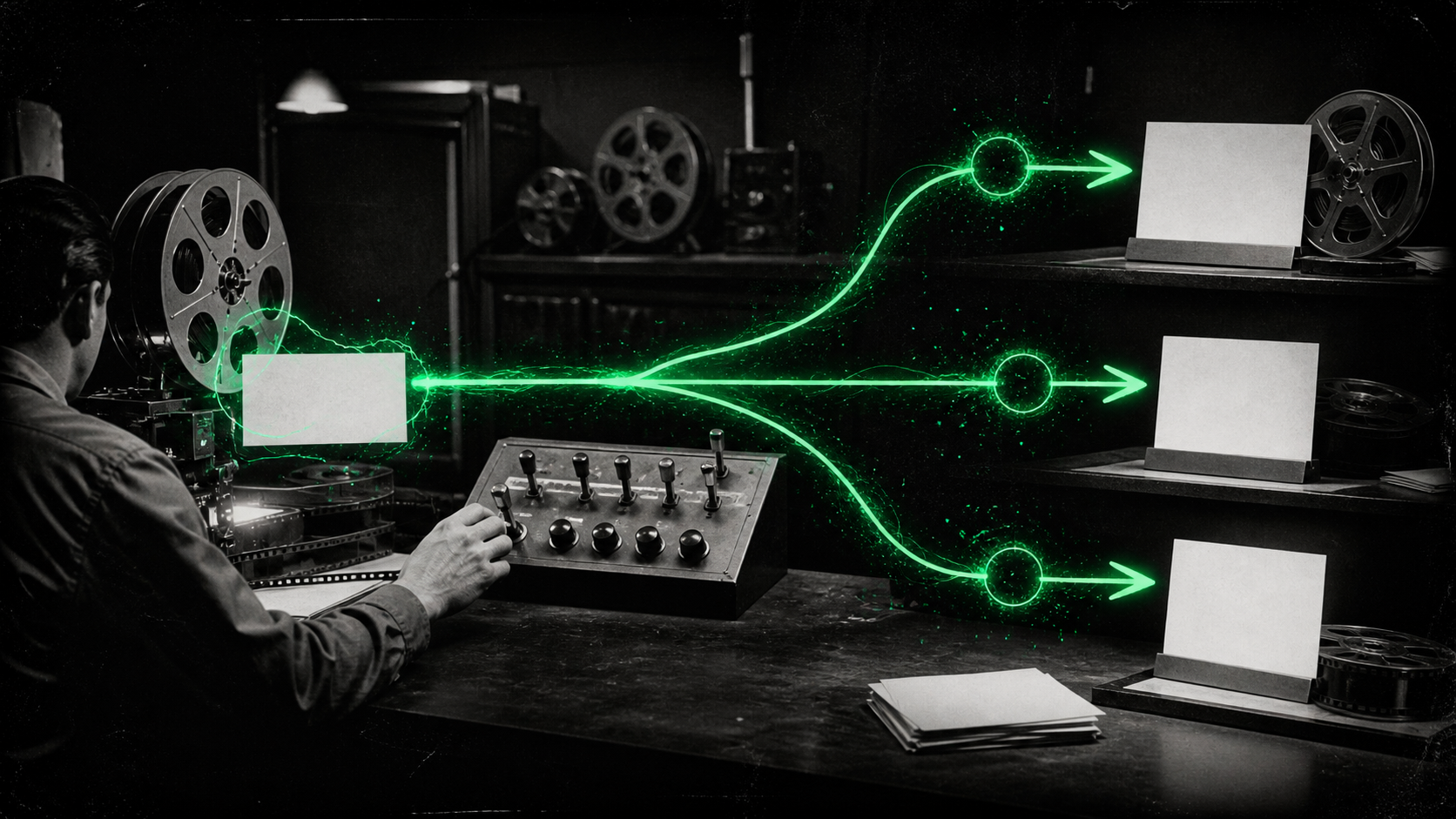
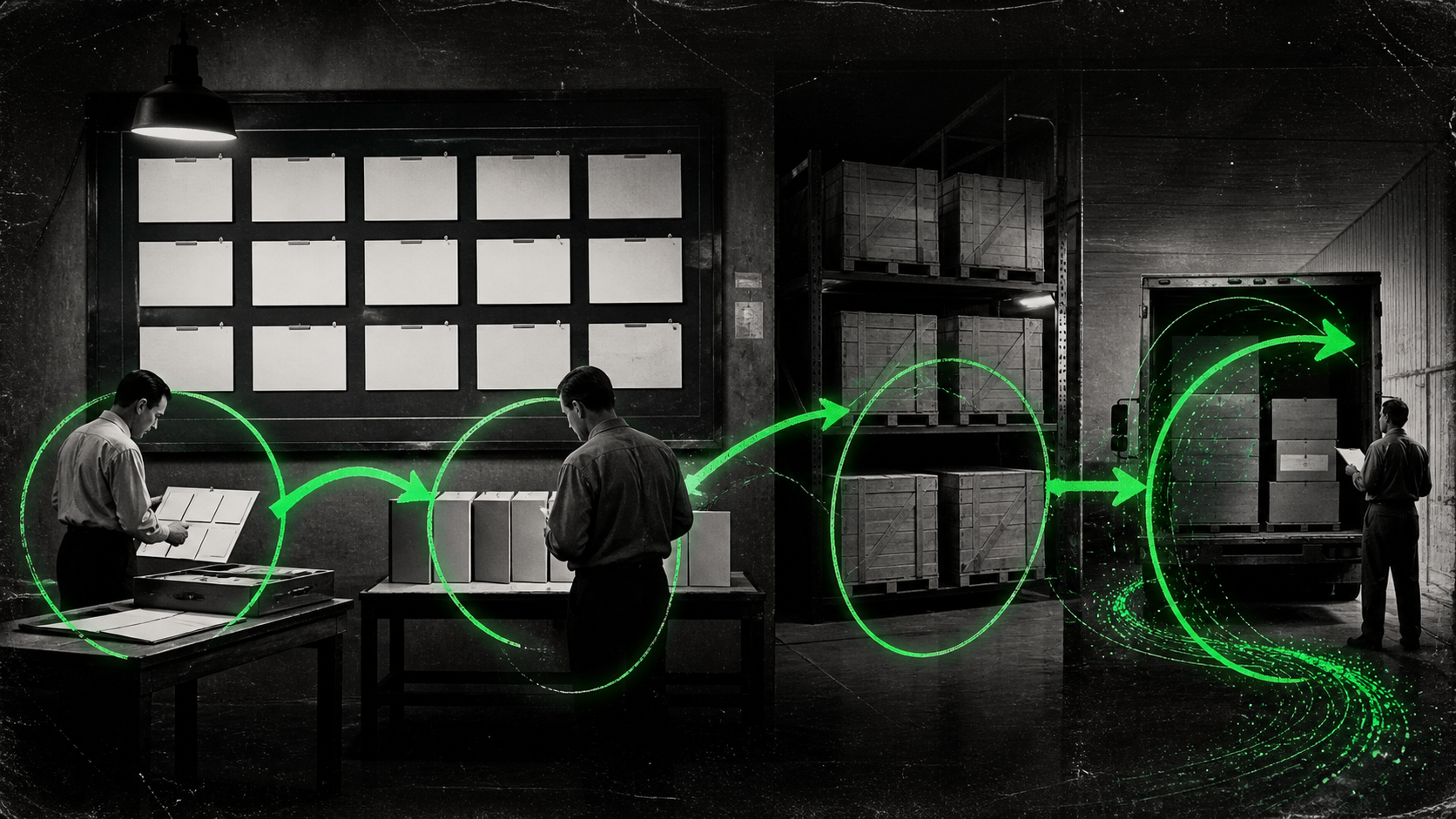
A product launch content strategy is not a calendar full of announcements.
One launch post says the product exists. A sequence moves the buyer through discovery, proof, comparison, and repetition until the product makes sense and the next action is clear.
The work is sequencing, not filling launch week with countdowns. Decide what buyers need to understand first, what they need to see next, and which questions deserve a second angle from a creator.
What is a product launch content strategy?
A product launch content strategy is the planned sequence of messages, demonstrations, comparisons, creator perspectives, and availability moments used to introduce a new product or release.
It answers five questions:
- How will the right buyer discover this?
- What can they inspect before believing the promise?
- What existing choice will they compare it against?
- Which creators or contexts make the product easier to understand?
- What should the buyer do when it becomes available?
If the plan only answers the last question, it is an announcement plan. Announcements are useful. They are not enough.
Stage 1: Give discovery a concrete hook
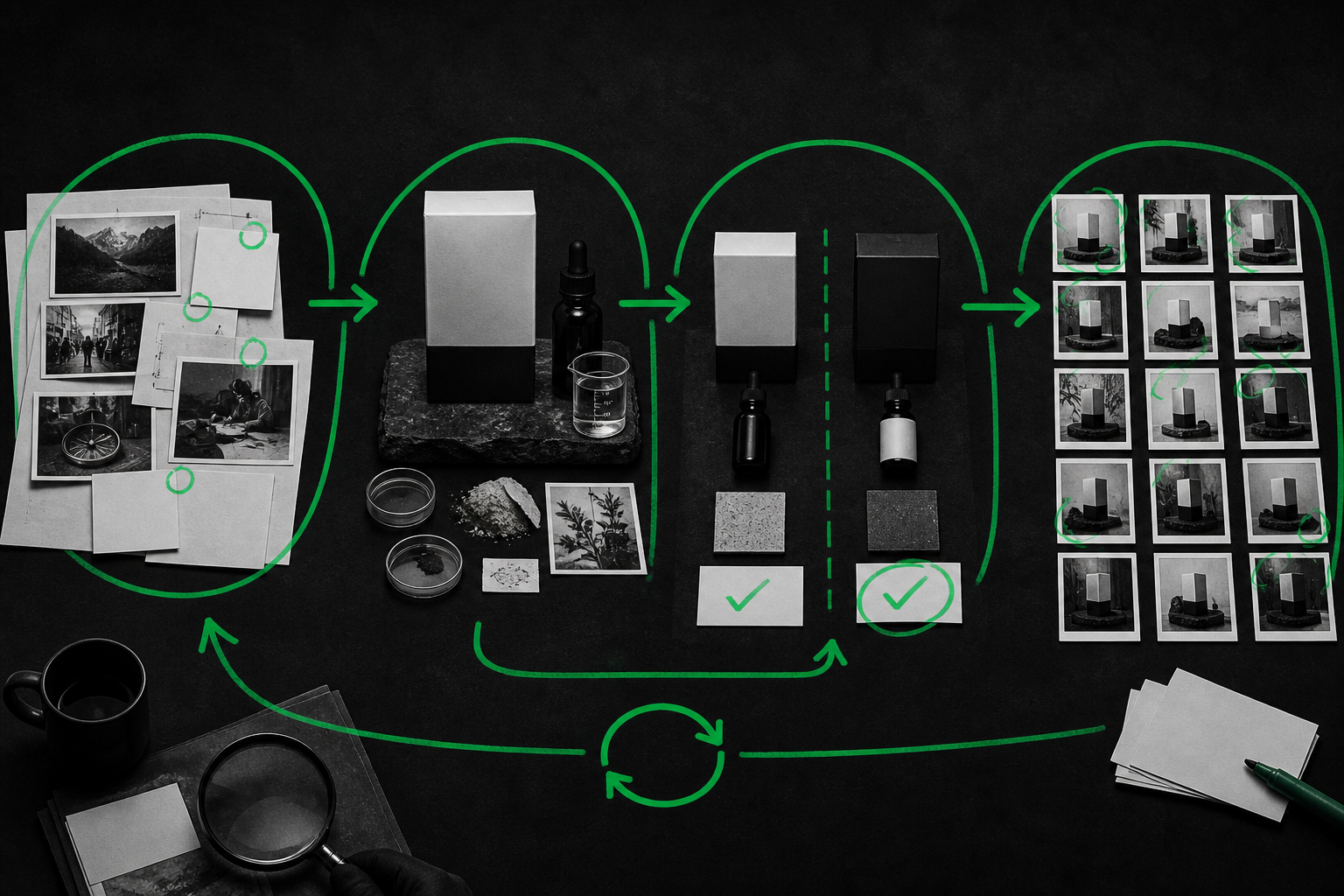
Discovery content needs one specific reason to stop.
Availability can be the hook when the product is newly findable. A constraint can be the hook when the reveal answers a sharp question. Visual abundance can be the hook when a collection or range is the story.
A retail discovery source uses the store aisle, physical case, and shelf tag to make findability visible. The viewer doesn't just hear that an item launched. They can see where it exists and what to look for.
A fragrance constraint source withholds a specific answer in the caption prompt. The mechanism is an information gap. It can earn attention, but the eventual answer has to be worth the wait.
Choose one discovery hook:
- It is available somewhere the buyer already shops.
- It solves a problem with a visible constraint.
- It introduces an unfamiliar form or mechanism.
- It turns a known product into a new occasion.
- It offers a collection viewers want to inspect or sort.
Don't stack all five into one opening. Discovery needs one clean door.
Stage 2: Put visible proof on camera
Once the product has attention, show the thing that makes the claim easier to believe.
For furniture, it may be the fold, fit, stress test, or reset. For food, it may be the texture, preparation, pour, cross-section, or blind comparison. For beauty, it may be the application, routine, or full product set without jumping to an efficacy claim.
A commercial-kitchen source moves from recognizable ingredients through the production process to a colorful finished cross-section. The scale and transformation do more work than a launch adjective.
A high-volume fragrance-routine source uses an armload of products to signal range before the explanation begins. That is visual product density. It tells the viewer there is a set to examine.
For your launch, write the proof before the script:
The buyer doubts [specific thing], so the camera will show [specific object or action] under [specific condition].
If the answer is another talking point, the proof is not ready.
Stage 3: Give the buyer a comparison they can use
New products are rarely judged in a vacuum. The buyer compares them with a current habit, familiar option, competing form, previous release, or doing nothing.
Make that choice visible without rigging it.
You can use:
- A labeled side-by-side demonstration.
- A finite tier list with declared criteria.
- A blind test with consistent serving conditions.
- A before-and-after sequence with matched framing.
- A use-case split that shows which option fits which situation.
The point is not to declare your product universally better. It is to make the decision easier.
Our guides to tier-list content and blind taste-test marketing show how to keep the comparison honest. For objective superiority claims, the FTC's substantiation policy requires a reasonable basis before the claim runs.
Stage 4: Use repetition to add meaning
Repetition is not posting the same hero video through different creator accounts.
Each creator or content unit should answer a different buyer question:
- What is it?
- How does it work?
- What does it look or feel like in use?
- Who is it for?
- When would I choose it?
- Where can I get it?
This is where creator waves become useful.
Wave A: Recognition
Use creators with a clear category or occasion fit. The content introduces the problem and product form.
Wave B: Proof
Use creators who can demonstrate, compare, assemble, prepare, or inspect the product credibly.
Wave C: Use cases
Show the product in distinct routines, environments, or buyer situations. This is where lifestyle product video can expand the launch beyond the package.
Wave D: Decision help
Answer recurring questions from comments, demonstrate availability, clarify variants, and show what to choose.
The waves can overlap. Their jobs should not.
Build a launch object people can inspect
Every launch needs one visual object that turns the release into something concrete.
It might be:
- The full lineup on one table.
- The packaging opened in one continuous sequence.
- A retailer tag or availability screen verified on launch day.
- A component assembly.
- A product cross-section.
- A physical comparison board.
- A repeatable ritual using the new item.
This object should survive without a long caption. A viewer should understand what is being inspected at phone size.
Don't fabricate availability. Don't show retailer placement that is not current. Don't use a mock package that buyers cannot purchase. Launch proof gets stale quickly, so verify it before every release wave.
Turn one shoot into a useful content bank
Content reuse should preserve meaning, not just create more files.
Capture the launch at three levels:
The sequence
The full discovery-to-action story.
The proof moments
Individual demonstrations, comparisons, reactions, and product details that can stand alone.
The answers
Short responses to real buyer questions, including fit, use, availability, variants, and limitations.
Then adapt the cut to the platform instead of stretching one export everywhere. Vertical video, product-page media, email, paid social, and sales enablement can share footage while serving different decisions.
For creator assets, secure the usage rights, edit permissions, term, territory, and paid-media scope before you assume reuse is available. The campaign plan should know what it can legally and operationally repurpose.
The first-week test plan
Launch week moves quickly. Decide what you are trying to learn before the feed fills up.
Use a test card for each stage:
Stage: Discovery. Question: Which opening earns qualified attention?. Primary signal: Early retention or qualified view. Next decision: Keep the stronger discovery mechanism
Stage: Proof. Question: Which demonstration resolves the buyer doubt?. Primary signal: Product-question rate or qualified click. Next decision: Expand, revise, or replace the proof
Stage: Comparison. Question: Which decision aid creates useful engagement?. Primary signal: Comparison comments and downstream action. Next decision: Clarify criteria or build a follow-up
Stage: Repetition. Question: Which creator-context pairing travels?. Primary signal: Signal tied to that use case. Next decision: Brief the next creator wave
Stage: Availability. Question: Can buyers find and act?. Primary signal: Relevant conversion event. Next decision: Fix path, message, or inventory communication
The UGC testing framework gives you the full version. The key is to assign one leading job to each asset instead of declaring the launch a success because total views look large.
Keep creator endorsements honest
If creators are paid, gifted product, employed, or otherwise connected to the brand, the relationship needs a clear disclosure. The FTC's creator guidance says disclosures should be hard to miss and placed with the endorsement.
Creators also cannot make a product claim the advertiser could not legally make. Build approved product truth and prohibited claim areas into the brief. Don't give creators a benefits list and expect them to discover the compliance boundary while filming.
This matters even more for food, supplement, beauty, wellness, and alcohol launches. Category review belongs before creator outreach.
What not to do
Don't spend the entire prelaunch teasing a reveal that has no visible difference.
Don't ask every creator to repeat the same launch sentence.
Don't use countdown content as a substitute for product proof.
Don't call organic attention demand if buyers cannot find or purchase the item.
Don't turn one source post into a format law. Creator, audience, timing, product, offer, and distribution all affect the result.
And don't let the content calendar outrun product truth. If availability, pricing, claims, or assets are not verified, hold the post.
Sequence the launch before creator outreach
Start with discovery, follow with visible proof, and give buyers a comparison they can actually use. Let each creator answer a new question instead of repeating the announcement in a different voice.
Make those decisions first. Then build the calendar.
If you want Emerald to map the reveal and run the creator system with senior operators, see our social media marketing approach.
FAQ
What content should be included in a product launch?
Include discovery content, visible product proof, a useful comparison or decision aid, creator repetition across distinct use cases, and direct availability content that tells buyers what to do next.
When should product launch content start?
Start when you have verified product truth, availability, creative rights, and a real action buyers can take. Build anticipation only when the reveal has enough substance to repay it.
How many creator posts should a launch use?
There is no universal number. Use enough distinct creators and mechanisms to test the key buyer questions without flooding the campaign with versions that teach the same lesson.
How do you measure product launch content?
Assign a job and primary signal to each stage. Discovery may use qualified attention, proof may use product understanding and click behavior, and availability content should connect to the relevant conversion event.
How we built this guide
We analyzed visible launch mechanics in public creator posts. Those examples cannot establish causality, predict brand performance, or imply a relationship between Emerald and a cited brand. Performance metrics that cannot prove causality are intentionally excluded.
- Retail findability and shelf proof
- Withheld-answer constraint hook
- Commercial production and product cross-section
- High-volume product lineup
- Opinionated category ranking
- TikTok Creative Center overview
- FTC Disclosures 101 for Social Media Influencers
- FTC Policy Statement Regarding Advertising Substantiation