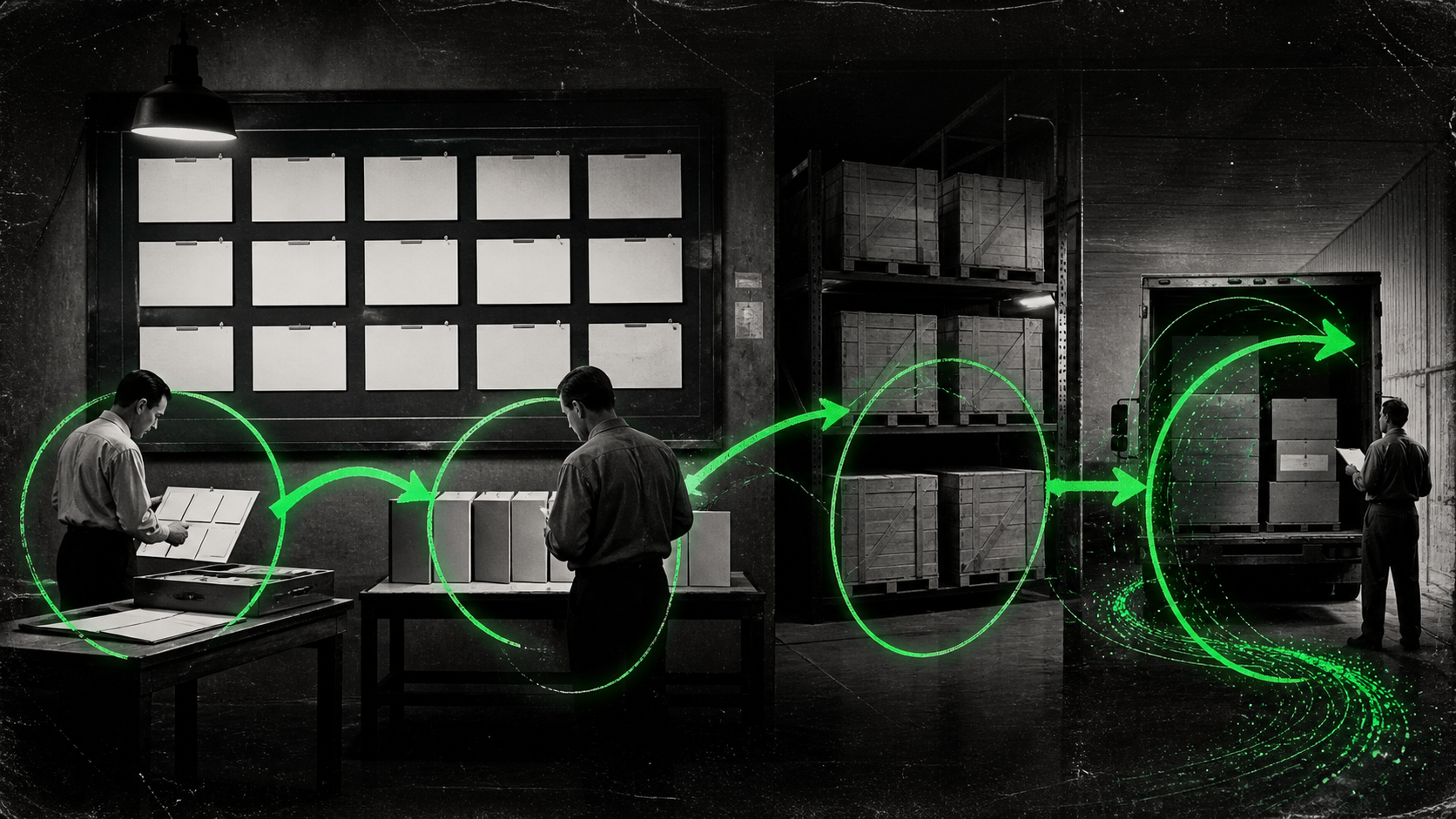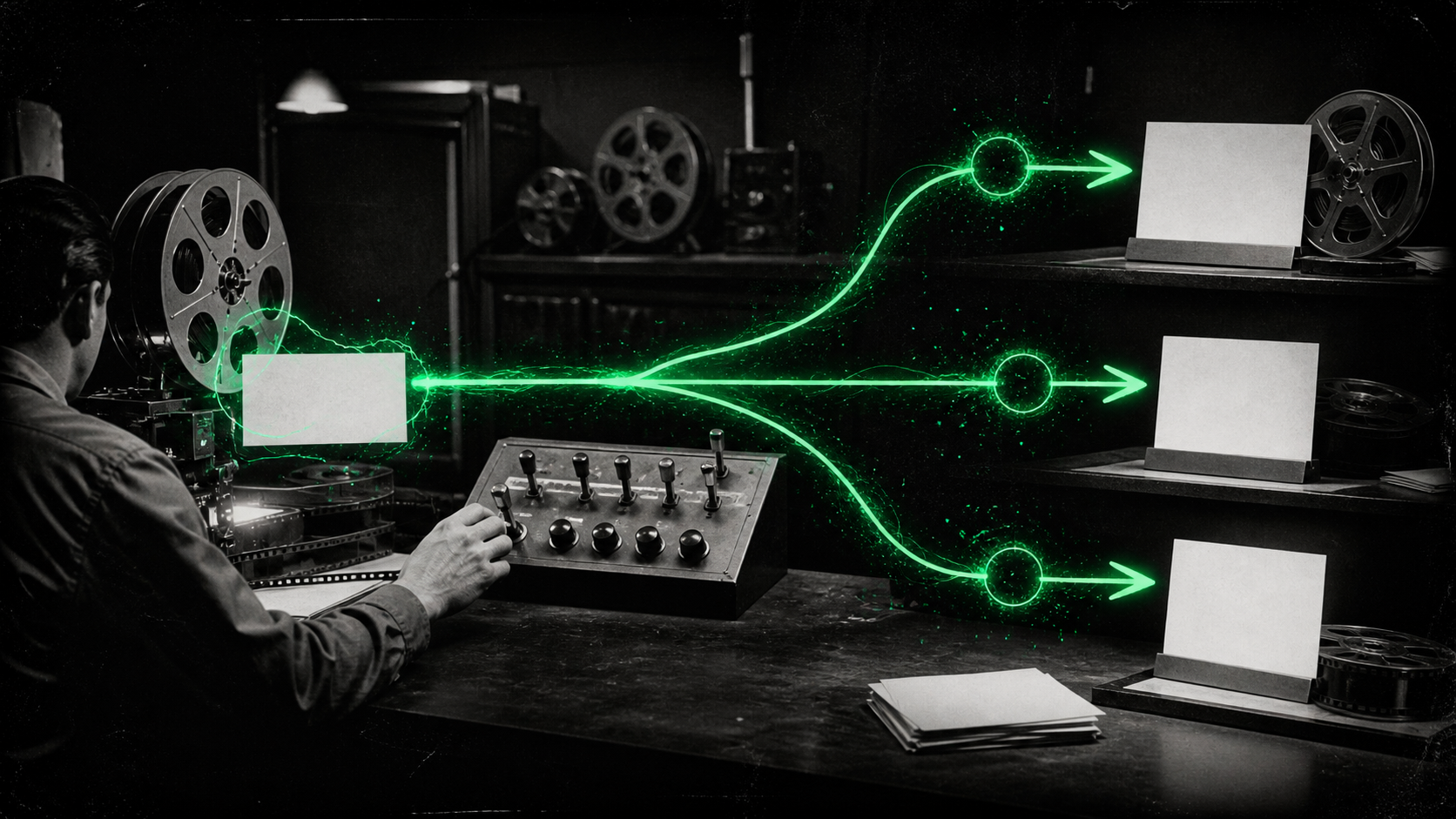
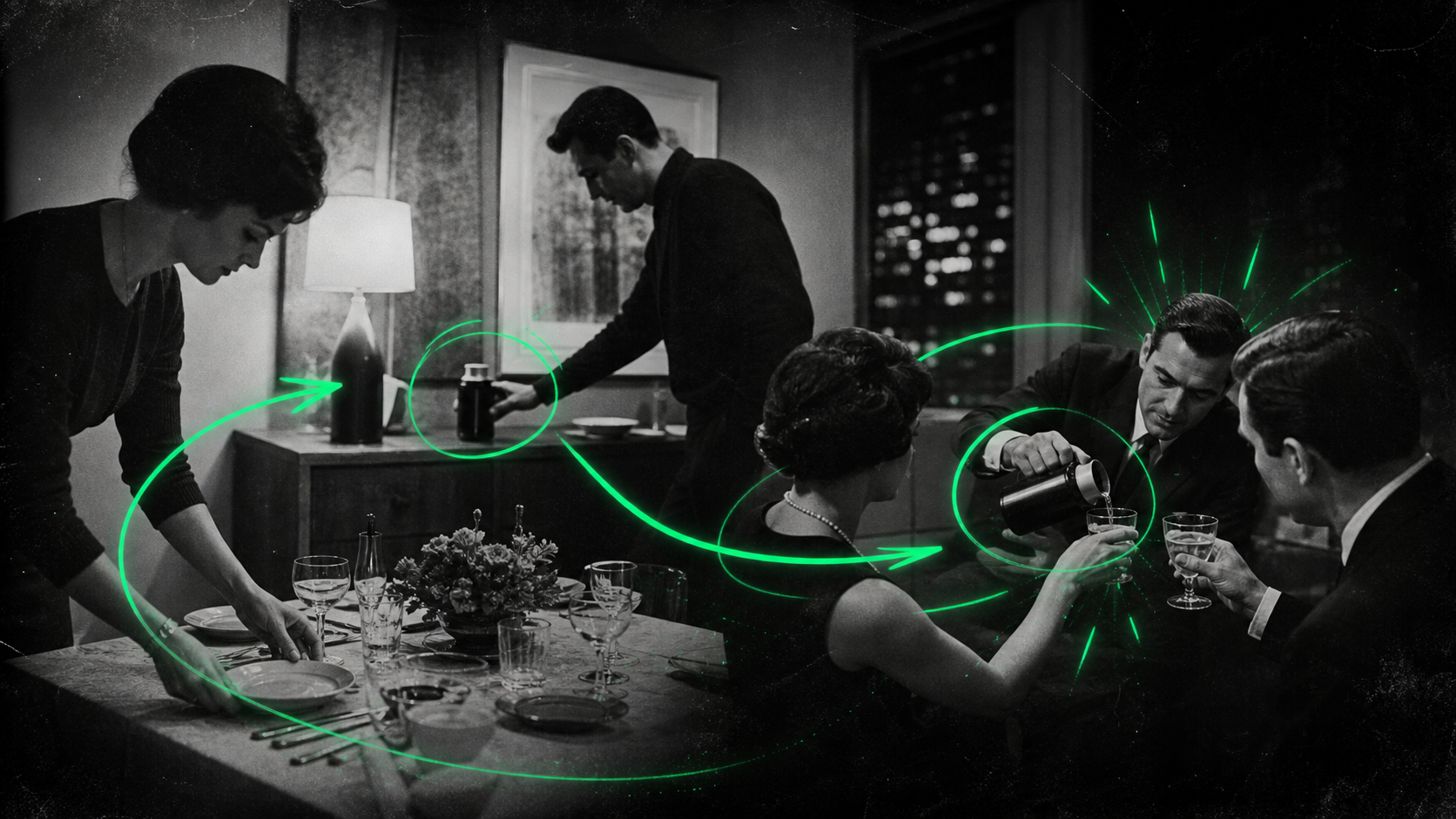
Most lifestyle product video is expensive wallpaper: a beautiful kitchen, perfect light, an attractive person, and a product sitting near the edge of frame with no clear reason to be there.
The strongest lifestyle videos sell a specific occasion the product helps create. The setup is recognizable, the ritual is visible, and the product enters when it changes what happens next.
The fix is not a bigger shoot. It is a more specific occasion, a better-timed product reveal, and one audience action worth testing.
What is a lifestyle product video?
A lifestyle product video shows a product inside a specific situation, ritual, or social occasion so viewers can understand when it fits and what action it helps create.
The difference is specificity.
Weekend getaway is a mood. Packing the one bag that fits under the seat is an occasion.
Summer entertaining is a mood. Building the snack board before six friends arrive is an occasion.
Better sleep is a promise. Turning the guest room into a usable sleeping space before family arrives is an occasion.
Name the event, the constraint, and the action. Now the creative has a story.
Start by naming the occasion
Use this line:
This product matters when [specific person] is trying to [specific action] in [specific situation] without [specific friction].
For example:
- A host wants to assemble a last-minute appetizer without cooking another course.
- A renter needs a guest bed that doesn't permanently consume the living room.
- A beachgoer wants one small ritual that makes the afternoon feel local and personal.
- A traveler wants a repeatable wind-down routine without turning the video into a health claim.
The occasion should be narrow enough that the viewer can recognize it immediately. If the concept could sell ten unrelated products with no change, it is probably generic moodboarding.
Show the preparation that creates anticipation
Preparation gives the occasion shape.
Lay out the ingredients. Clear the space. Pack the bag. Set the table. Clean the surface. Gather the tools. These actions tell viewers what is about to happen and let them imagine doing it themselves.
A trampoline sleepover source spends meaningful time on sweeping, washing, and arranging the space before the nighttime payoff. The setup transforms an ordinary object into a ritual.
Food content uses the same logic. A top-down assembly source starts with a pour and builds a specific dipping occasion from recognizable ingredients. The product value is connected to an action viewers can recreate.
Preparation is not filler when it teaches the ritual. It becomes filler when it repeats actions that do not change the outcome.
Reveal the product when it changes the scene
Don't hide the product because delayed reveals feel cinematic. Don't show it immediately because a brand manager wants package time.
Use the story.
Reveal early when recognition is the value
Show the product in the opening when availability, form, transformation, or utility is the main reason to watch. A convertible chair becoming a bed should not wait behind a long apartment montage.
A convertible-furniture source reveals the physical mechanism quickly, then lets the wider retail context add findability and scale. The function earns attention. Lifestyle context answers what happens next.
Reveal later when the occasion is the value
Hold the product when viewers first need to recognize the situation.
A beach beverage source centers the beach setting, cold bottle, opening action, and local-pride prop. The product sits inside a familiar summer ritual instead of arriving as a list of beverage features.
The rule is simple: the product should enter at the moment it performs a job in the scene.
Give the ritual an identity cue
The strongest occasions contain a detail that says who this is for.
It might be a local object, a family habit, a specific hosting problem, a seasonal cue, a tool used by someone who knows the task, or a constraint familiar to the category.
A generic beach could be anywhere. A recognizable local prop makes it a particular kind of beach day. A generic dinner could be anyone's. The specific craving for the flavorful bottom of a salad bowl makes the preparation feel lived-in.
The cue should add meaning, not costume. Don't bolt a trend, slang phrase, or regional symbol onto the video if it has no connection to the creator or product.
And don't borrow somebody else's identity as a prop. The creator should have a credible relationship to the ritual they are showing.
Make participation visible
Lifestyle video is strongest when someone does something with the product.
Pour it. Open it. Fold it. Pass it. Assemble it. Serve it. Put it away. Repeat the ritual.
That action gives the audience a path into the scene. Static possession only says the product was present. Participation shows how it belongs.
For food and beverage, close-ups of pouring, breaking, dipping, and sharing can carry more information than another talking-head endorsement. Our sensory marketing video guide breaks down how to make texture visible without inventing a product claim.
For home products, show setup and reset. The reset matters because buyers often care about storage and effort as much as the peak experience.
Keep health and alcohol boundaries inside the concept
Some lifestyle categories carry extra risk. Treat the boundary as part of the creative direction, not a note added after filming.
Alcohol
Use appropriately aged creators and casting. Avoid youth-oriented cues. Don't make intoxication, overconsumption, dangerous behavior, or improved social status the payoff. Review the applicable platform, market, and brand rules before production.
An alcohol-free source mechanic can inspire the occasion without carrying alcohol-specific messaging. The useful observation may be a local ritual, cold-open action, or garnish tutorial. That doesn't give a brand permission to copy the context without age and category review.
Health and wellness
Don't turn relaxation, sleep, stress, recovery, or mood into an objective product claim unless the exact claim is adequately supported. A creator's routine can show use. It cannot prove efficacy by itself.
The FTC's health-products guidance says objective health claims need adequate substantiation, with the evidence standard depending on the claim. Keep the video focused on the observable routine unless approved evidence supports more.
Sponsorship
If a creator has a material relationship with the brand, disclose it clearly. The FTC's creator disclosure guide recommends placing the disclosure where viewers will notice and understand it, including in the video for video endorsements.
Build the occasion in five beats
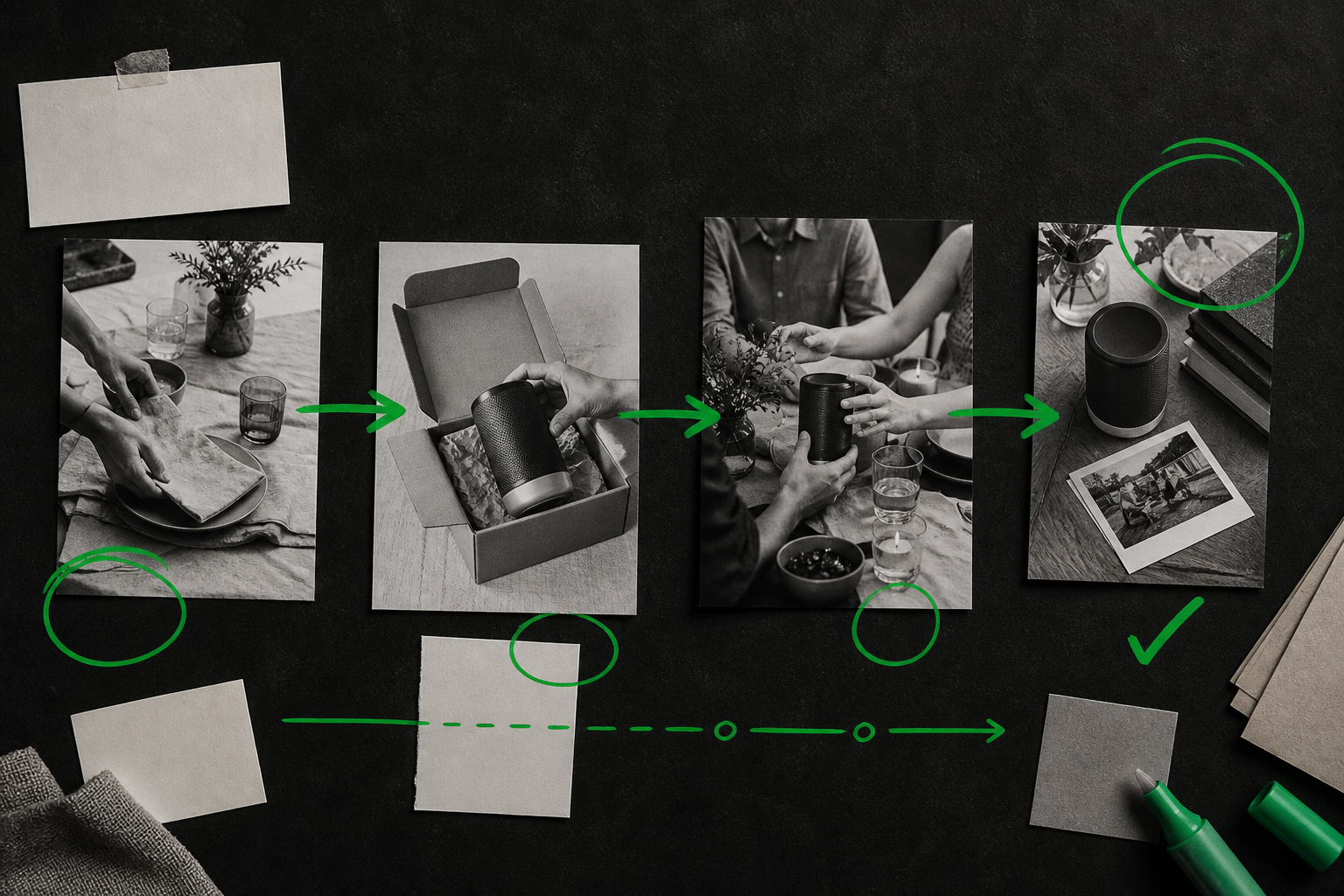
Use this sequence as a starting point:
Beat 1: Recognition
Show the situation or constraint. Make the right viewer feel seen.
Beat 2: Preparation
Show the actions that make the occasion possible.
Beat 3: Product moment
Bring the product into the scene when it changes the next action.
Beat 4: Participation
Show someone using, sharing, moving, or repeating the ritual.
Beat 5: Memory
Close on the useful or emotional payoff: the finished room, the shared bite, the packed bag, the reset space, the completed gathering.
This is not a mandatory edit length. It is a logic check. Every beat should carry a different job.
Test whether the occasion or the product is winning
Lifestyle content has a common failure mode: people save the idea and forget the brand.
Test the occasion-led version against a more direct product-led version while keeping creator, offer, destination, and distribution conditions stable. Look at the signal connected to the job.
Saves and shares can indicate that the ritual is useful or socially relevant. Qualified clicks and conversion behavior tell you whether the product remained part of the value. Comments can reveal whether viewers understood when to use it.
If the occasion wins attention but loses product connection, don't abandon the idea. Move the product moment earlier, make the interaction clearer, or tie the product to the hardest step in the ritual.
Log the decision in your UGC testing framework, then brief the next creator from what you learned.
What to cut
Cut any shot that only says premium, fun, cozy, aspirational, or elevated without showing a concrete action.
Cut the slow-motion walk to nowhere. Cut the product sitting untouched on a table. Cut the generic group laugh. Cut the drone shot that could advertise a hotel, drink, shoe, or credit card.
Keep the hand solving the problem, the preparation that builds anticipation, and the interaction that makes the product belong. Cut the beauty shots that could advertise anything.
That is the difference between generic lifestyle footage and an idea people can actually place in their own lives.
Build one occasion-led creator test
Pick one occasion and show enough preparation for the viewer to recognize it. Bring in the product when it changes the scene, then see whether people remember the product as clearly as the moment.
The more specific the occasion, the less work the styling has to do.
If you want Emerald to build and run the creator system with you, see our social media marketing approach.
FAQ
What is a lifestyle product video?
A lifestyle product video shows a product inside a specific situation, ritual, or social occasion so viewers can understand when it fits and what action it helps create.
When should the product appear in a lifestyle video?
Show it early when recognition or function is the hook. Reveal it later when the occasion needs to be understood first. The product should enter when it changes the scene.
What makes lifestyle video different from a product demo?
A product demo explains how the item works. Lifestyle video explains when it matters. Strong creative can combine both by placing a visible demonstration inside a recognizable occasion.
How should a brand measure lifestyle product content?
Choose the signal that matches the video's job. Saves and shares can indicate that the occasion is worth repeating, while qualified clicks and conversion events show whether the product remained connected to the idea.
How we built this guide
We analyzed visible details in public creator posts, including the occasion, preparation, participation, and reveal. Those details can suggest a useful structure, but they cannot establish why a post performed or predict an adapted campaign result.