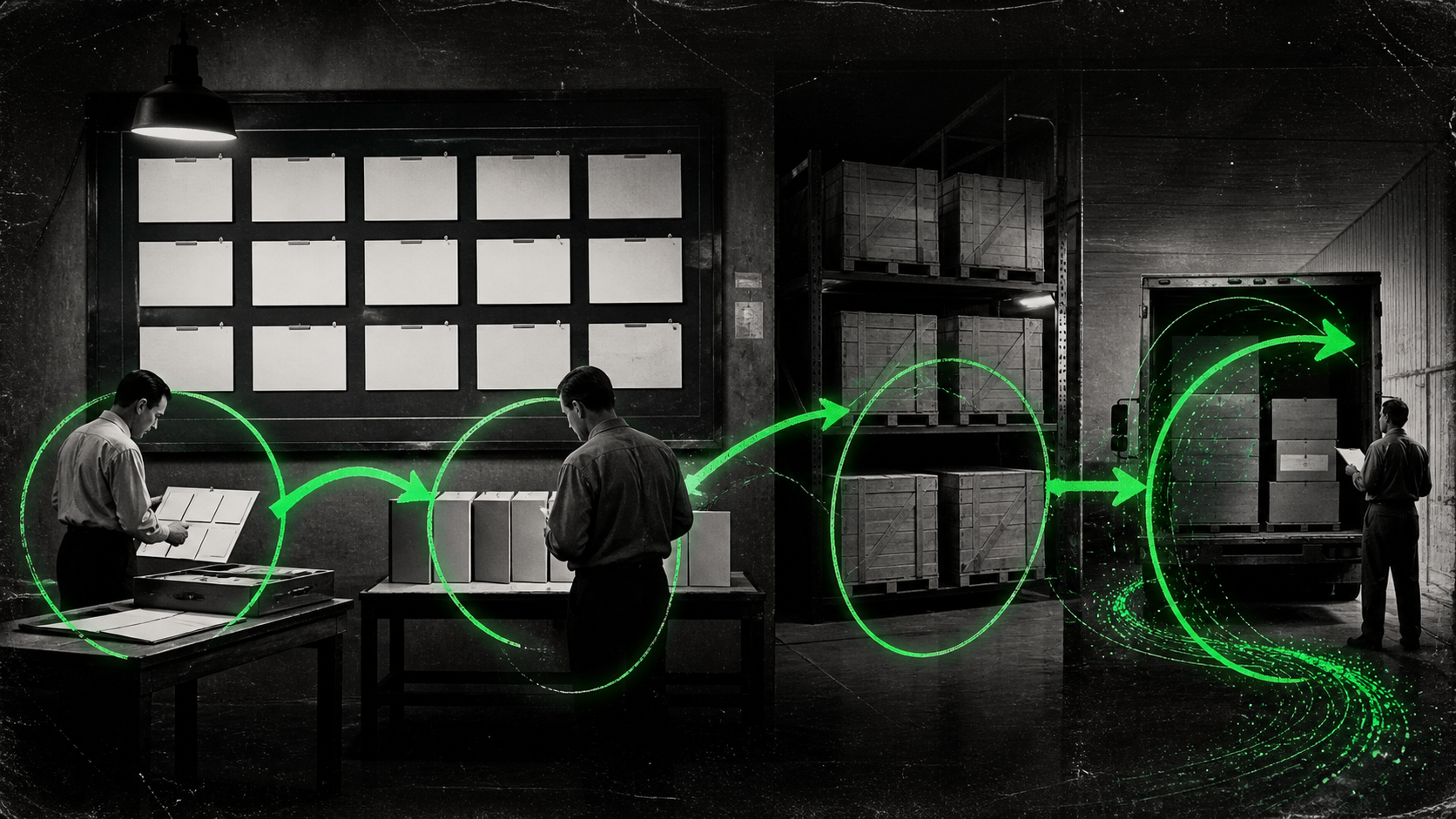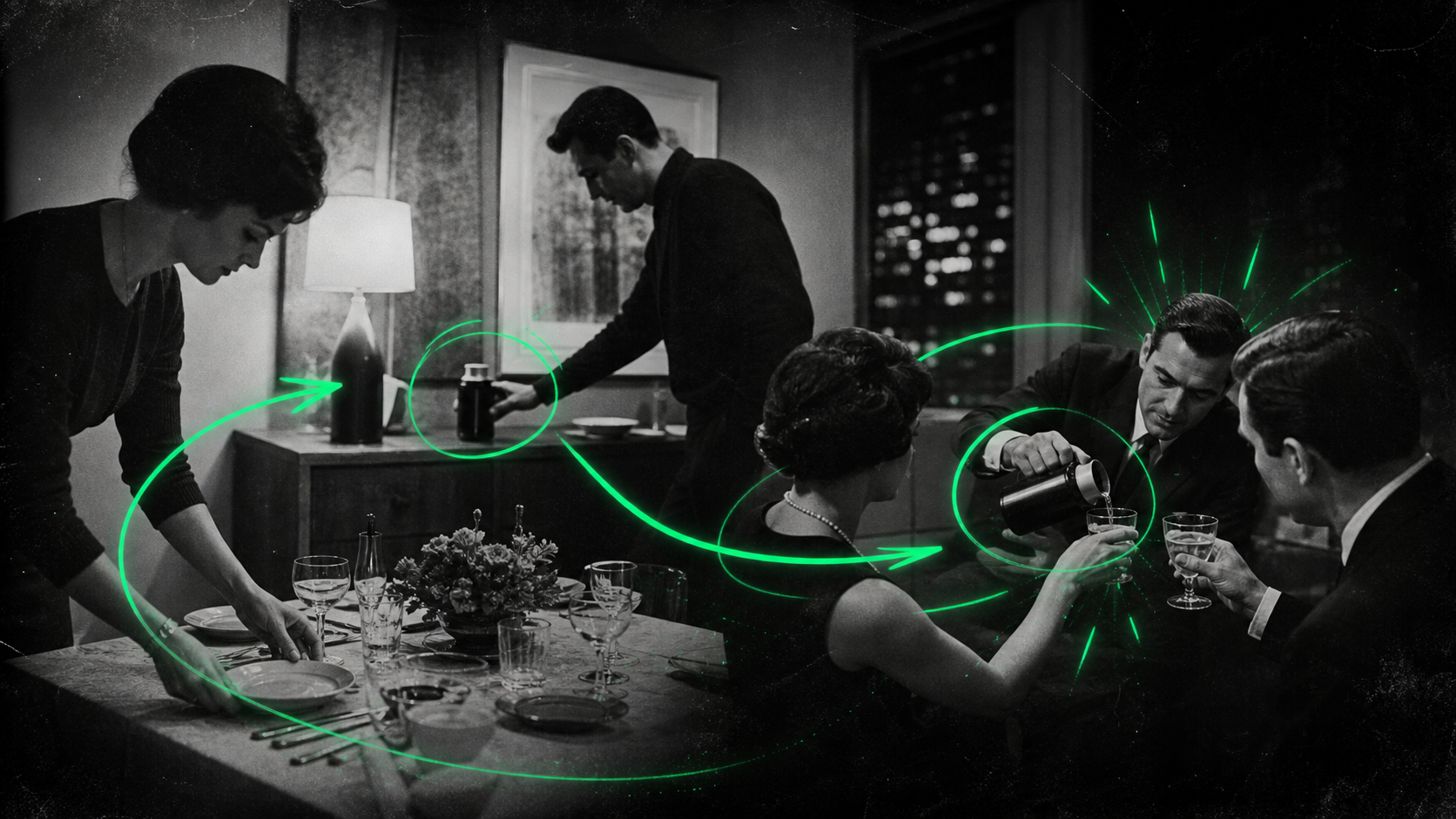
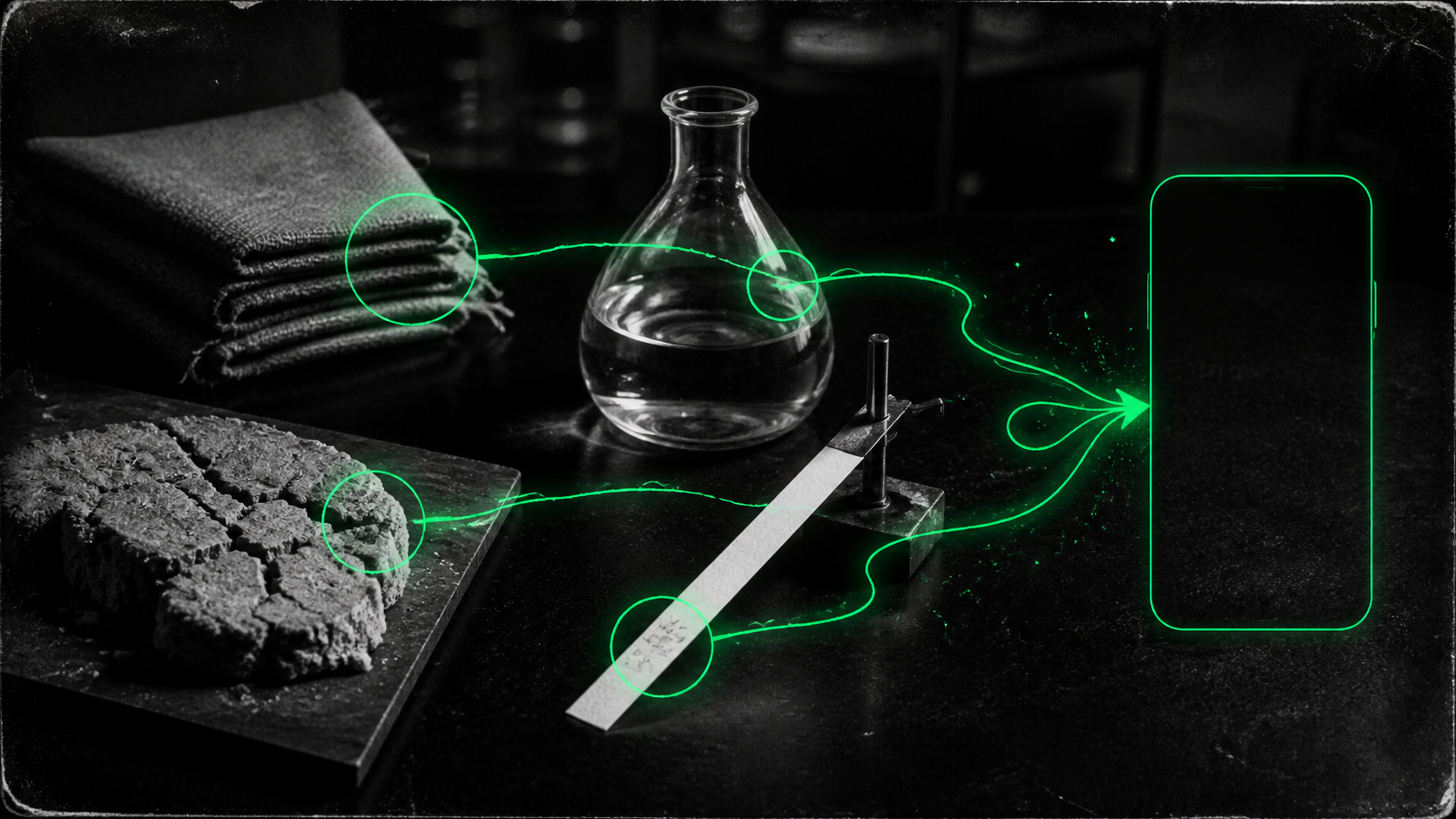
A sensory marketing video makes an invisible product quality easier to judge. It turns softness into compression, freshness into a clean break, comfort into body movement, and scent into a specific memory or occasion.
The camera has to stand in for the missing sense.
Your viewer cannot touch a pillow, taste a cookie, or smell a fragrance through a phone. Telling them the product is soft, delicious, or luxurious does not solve that problem. You need to give their eyes something the missing sense would normally confirm.
Start with the sense the screen removes, then choose the physical action that gives the viewer the closest honest substitute.
What is sensory marketing video?
Sensory marketing video is content designed to suggest touch, taste, sound, smell, or bodily comfort through visible action. The strongest version does not pile on adjectives. It shows a physical change the viewer can inspect.
Think about the difference between these two shots:
- A creator says a pillow is soft.
- A creator drops into the pillow, compresses it, releases it, and lets the material recover in one uninterrupted frame.
The second shot gives the viewer evidence. They still cannot feel the pillow, but they can see weight, depth, movement, and rebound.
The same rule travels across categories. A spoon breaks through a cake and exposes the inside. A sauce folds over itself during a pour. A fragrance is placed beside the clothes, room, or ritual it belongs with. Each execution gives the viewer a more useful mental model of the product.
Start with the sense the screen removes
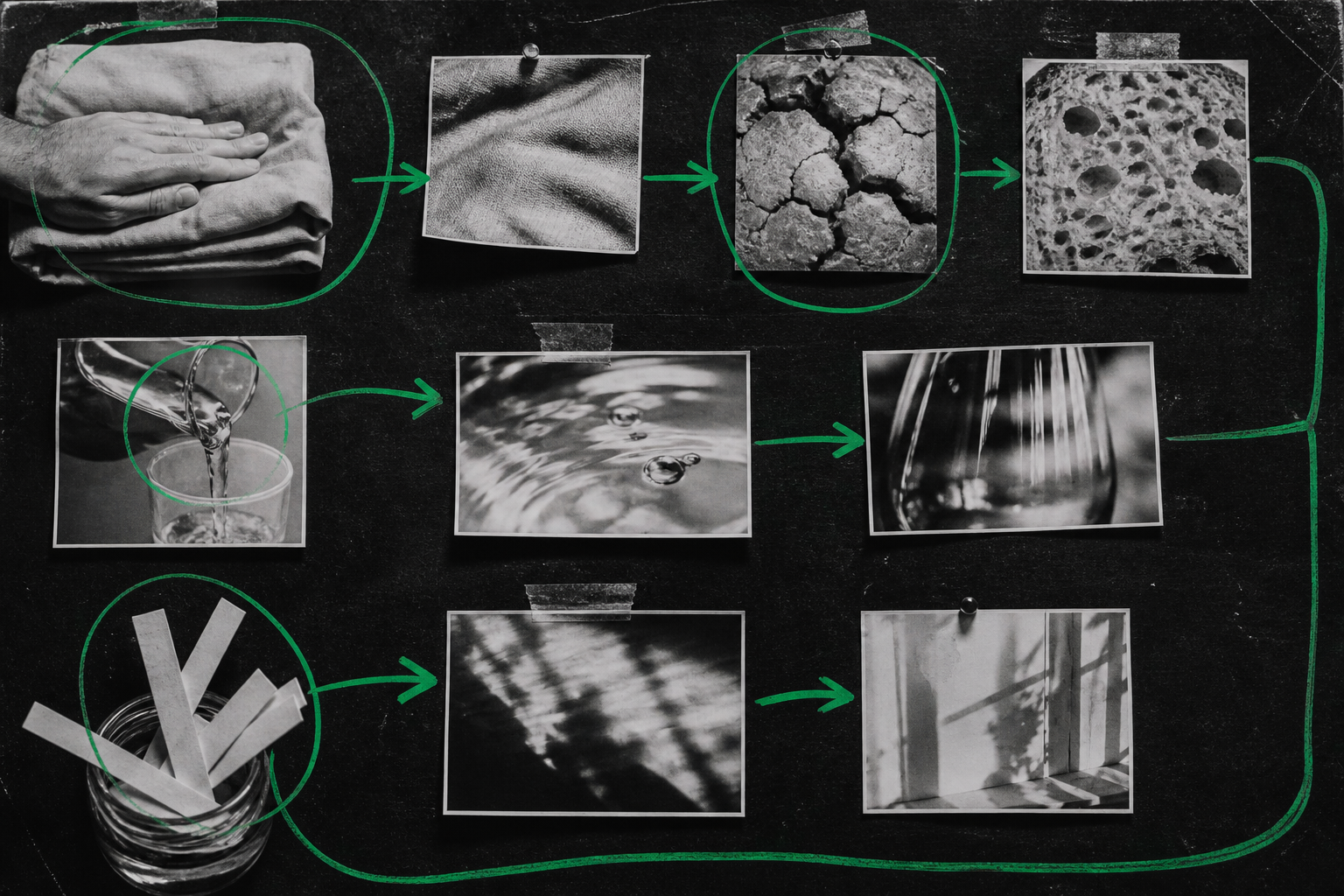
Most weak sensory creative begins with the product claim. Start with the missing sense instead.
Ask one question: What would the buyer do if this product were sitting in front of them?
They might squeeze it. Smell it. Break it open. Compare its weight. Run a hand across the surface. Listen for a snap. Watch how a liquid moves. That natural inspection behavior is your shot list.
Use this translation table:
Missing experience: Softness. What the camera can show: Compression, sinking, folding, rebound
Missing experience: Crispness. What the camera can show: Break, snap, crumb, clean cut
Missing experience: Moisture. What the camera can show: Cross-section, stretch, spoon pull, surface shine
Missing experience: Thickness. What the camera can show: Slow pour, coating, resistance, stacked layers
Missing experience: Comfort. What the camera can show: Posture change, settling, pressure distribution, repeated use
Missing experience: Scent. What the camera can show: Identity, setting, memory, occasion, ingredient context
Do not try to cover every sense in one video. Pick the one that carries the purchase doubt.
Make touch visible with deformation
Touch is easiest to communicate when the product changes shape under pressure.
One public video showed a person leaning into oversized quilted pillows. The useful part was not the line calling them comfortable. It was the visible sink. Another focused on a translucent stress toy changing shape under a hand and slowly returning. Again, the material carried the message.
This is where the camera setup matters:
- Put the product against a simple background.
- Frame tightly enough to see the material move.
- Apply pressure a real buyer would recognize.
- Hold the shot through release or recovery.
- Keep at least one take uncut so the edit cannot create the effect.
That last point is an honesty signal. A fast montage can look satisfying, but an uninterrupted demonstration makes the physical property easier to trust.
There is one catch. Do not invent a stress test the product was never designed to pass. The test should clarify normal use, not create a stunt that turns into an unsupported durability claim.
Make taste judgeable before the bite
Food video often waits too long to show the part people care about.
Lead with the finished state when texture is the hook. Show the crack in a glaze, the crumb inside a loaf, the slow lift from a spoon, or the way a sauce coats the food. Then show how it got there.
One public video opened with a hand squeezing a glazed slice. The pressure cracked the surface and exposed the dense inside. Another used an extreme close-up of a spoon moving through a small cake. Neither shot proves flavor. That would be too much to claim. But both make texture easier to evaluate.
Build the sequence like this:
→ finished texture in the opening frame
→ one physical interaction that exposes the inside
→ the shortest useful preparation sequence
→ a real bite or serving moment
→ the product or ingredient path
The reaction is supporting evidence, not the whole case. A creator saying “so good” without showing the food is empty. A texture shot plus a natural reaction gives the audience two different signals.
For a deeper category-specific plan, read our guide to food and beverage UGC.
Use sound as evidence, not wallpaper
Sound can help when the sound belongs to the physical action: a crack, pour, fizz, scrape, snap, or package seal.
Do not assume sound is available or important because a public example used music. When a reliable transcript or audio track is unavailable, treat the audio as unknown and work only from what the visible sequence can support.
That is a useful discipline for your own work. First make the visual understandable without sound. Then add real production sound where it sharpens the moment.
If the entire idea depends on a sound effect added in post, ask whether the product experience still feels honest. A louder fake crunch does not make the food crispier.
Sell scent through identity and memory
Scent is the hardest sense to translate because there may be no physical behavior to show.
The weak move is listing notes over a rotating bottle. The stronger move is making the fragrance belong to a recognizable person, place, or moment.
Start with one of these:
- Identity: who reaches for this scent and how do they prepare?
- Occasion: where is it worn and what happens next?
- Memory: what familiar material, room, season, or ritual helps place it?
- Contrast: what is it not, and what nearby option helps explain the difference?
You are not claiming the viewer will experience the same memory. You are giving them a useful set of associations.
A visible collection can also help. One public fragrance example used product density and a constrained selection to create curiosity. The strategic lesson is not to copy the shelf. It is to define the finite decision: Which scent fits this occasion? Which one gets removed? Which one earns the final spot?
Write the sensory brief before you write the script
Here is the brief block your creator needs:
The missing sense: What can the viewer not experience through the screen?
The buyer doubt: What are they worried the product will feel, taste, or smell like?
The visible substitute: Which action lets the viewer judge that quality?
The opening frame: What happens before anyone explains the product?
The honest limit: What does the shot still not prove?
The next action: What should the viewer do if the demonstration resolves their doubt?
<!-- factcheck-allow-quote: "Luxurious, soft, premium, indulgent" --> <!-- factcheck-allow-quote: "Press both palms into the pillow, release, and hold until it returns to shape" --> This keeps you out of adjective soup. “Luxurious, soft, premium, indulgent” is not a brief. “Press both palms into the pillow, release, and hold until it returns to shape” is.
Pair the sensory shot with a product demo video when the purchase question also involves setup, function, or comparison.
How to test sensory creative
Keep the product, creator, offer, and distribution as stable as you can. Change the sensory proof.
For example:
- Version A opens on the creator describing softness.
- Version B opens on the product compressing under weight.
- Version C opens on a side-by-side material comparison.
Then look at the signal that matches the idea. Early hold can tell you whether the opening earned attention. Comments can show whether the original doubt remains. Saves can matter when the content teaches a recipe or ritual. Click-through can show whether the proof moved someone toward the product.
Do not call a sensory format a winner because one source post had a large audience. Creator fit, distribution, timing, and dozens of other factors can shape performance. The source gives you a testable idea. Your own controlled comparison gives you the learning.
The common mistakes
Too many beauty shots
A polished montage can make a product look expensive while leaving the core sensory question unanswered. Give one shot a job.
Reactions with no evidence
An exaggerated face is easy to perform. Show what produced the reaction.
Claims the camera cannot support
A visible comfort demonstration does not establish a medical outcome. A food close-up does not verify a nutrition claim. A wellness routine does not prove treatment or efficacy.
Fake sensory effects
Overprocessed sound, hidden cuts, and artificial steam can make the scene less credible. If the effect matters to the claim, show it honestly.
Build one sensory test
Pick the product property people hesitate over and ask how they would inspect it in person. Put that action on camera early, then use the rest of the video to answer the next obvious question.
Five adjectives and ten beauty shots will not beat one physical moment the buyer understands.
If you want help turning product truth into creator-ready tests, see Emerald's social media marketing approach.
FAQ
What is an example of sensory marketing in video?
A close-up showing a material compress and recover is sensory marketing because it translates touch into visible movement. Food cross-sections, slow pours, clean snaps, and occasion-led fragrance stories use the same principle.
Can video communicate smell or taste?
It cannot transmit smell or taste directly. It can give viewers visual and contextual cues that help them imagine the experience, such as texture, ingredients, preparation, identity, memory, and occasion.
Does sensory video need ASMR audio?
No. Real production sound can strengthen a physical action, but the concept should still make sense to someone watching without sound. Use audio when it adds evidence, not because the format expects it.
How do you test sensory marketing video?
Hold the product, creator, and offer stable, then compare different sensory openings. Measure the signal tied to the hypothesis, such as early retention, objection comments, saves, or click-through.
How we built this guide
This article uses visible details from public short-form posts to identify creative hypotheses. Those details cannot establish why a post performed or guarantee an adapted result. None of the examples are presented as Emerald case studies.
- Physical sink and pillow texture example
- Material deformation and rebound example
- Food texture manipulation example
- Macro food texture example
Structured data
```json { "@context": "https://schema.org", "@type": "Article", "headline": "Sensory Marketing Video: Make the Product Feel Real on a Screen", "description": "How to translate texture, taste, comfort, and scent into visible proof for short-form video.", "mainEntityOfPage": "https://emerald.digital/insights/sensory-marketing-video", "author": { "@type": "Person", "name": "Matthew Berman" }, "publisher": { "@type": "Organization", "name": "Emerald Digital" }, "image": "https://emerald.digital/media/insights/creator-breakout-program/sensory-marketing-video-hero.png" } ```
```json { "@context": "https://schema.org", "@type": "FAQPage", "mainEntity": [ { "@type": "Question", "name": "What is an example of sensory marketing in video?", "acceptedAnswer": { "@type": "Answer", "text": "A close-up showing a material compress and recover translates touch into visible movement. Food cross-sections, slow pours, clean snaps, and occasion-led fragrance stories use the same principle." } }, { "@type": "Question", "name": "Can video communicate smell or taste?", "acceptedAnswer": { "@type": "Answer", "text": "Video cannot transmit smell or taste directly. It can provide visual and contextual cues that help viewers imagine the experience." } }, { "@type": "Question", "name": "Does sensory video need ASMR audio?", "acceptedAnswer": { "@type": "Answer", "text": "No. Real production sound can strengthen a physical action, but the concept should still work without sound." } }, { "@type": "Question", "name": "How do you test sensory marketing video?", "acceptedAnswer": { "@type": "Answer", "text": "Hold the product, creator, and offer stable, compare different sensory openings, and measure the signal tied to the hypothesis." } } ] } ```