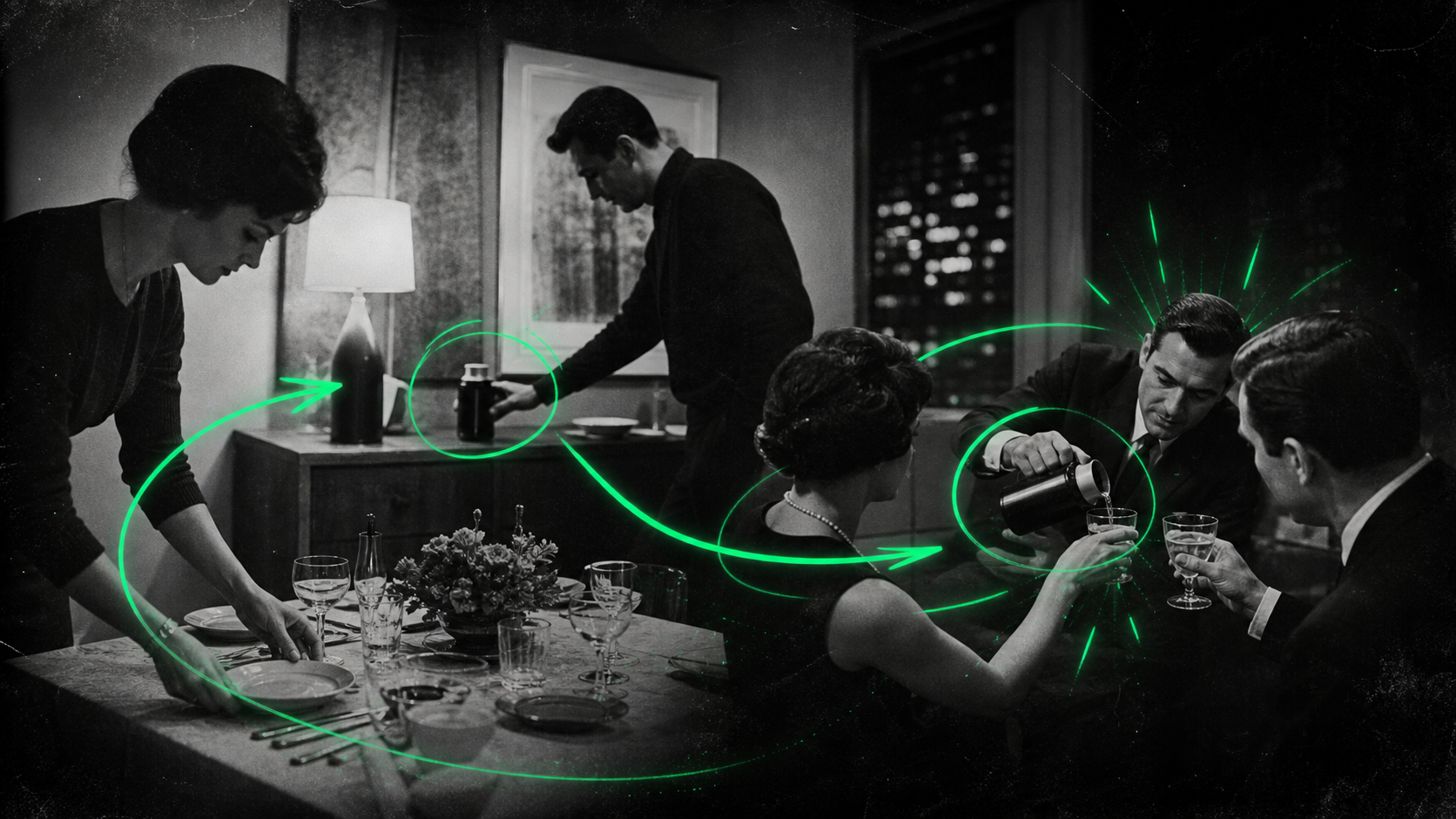
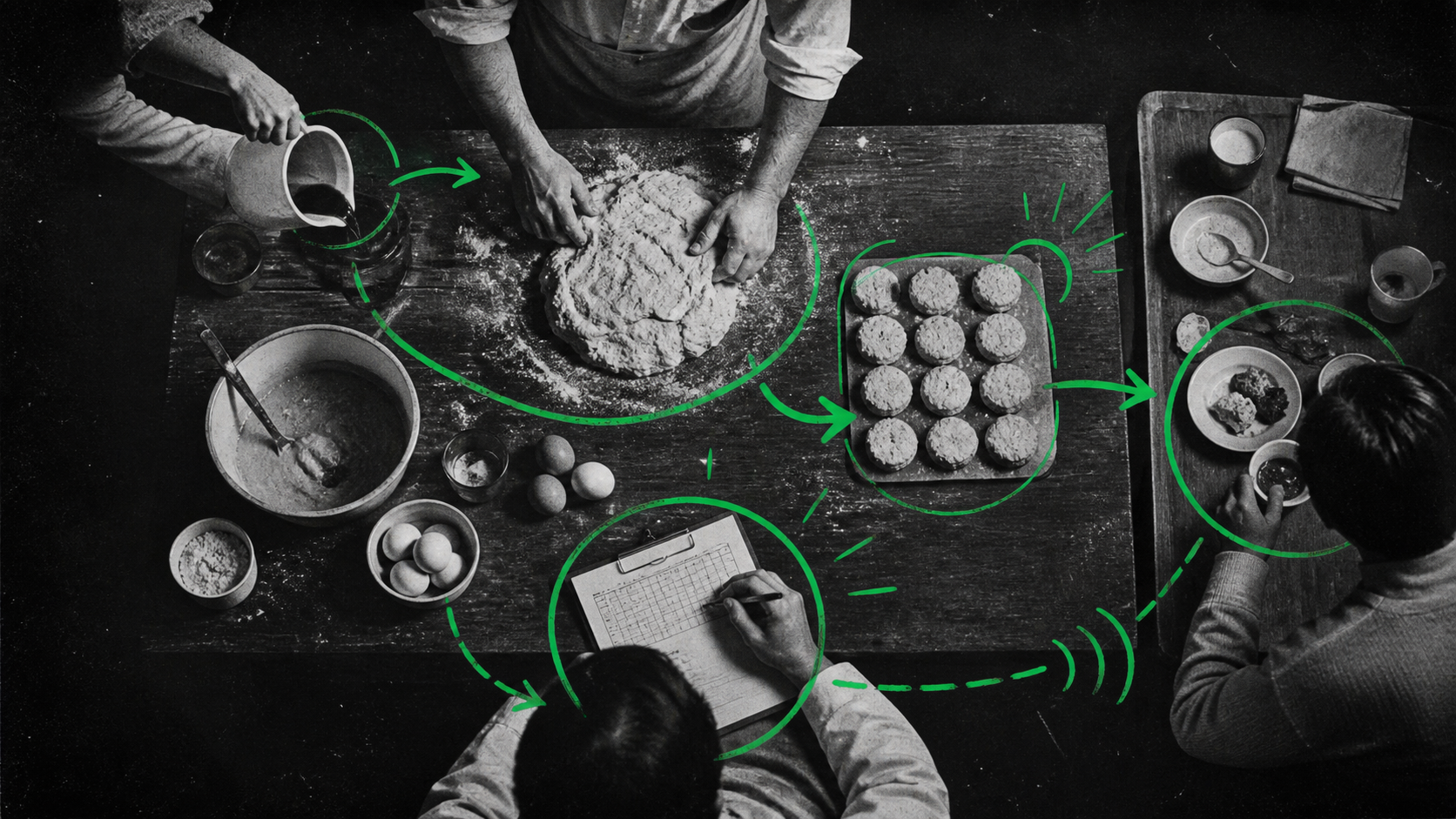
Good food and beverage UGC does not just say something tastes great. It gives people enough to picture the bite, sip, recipe, or occasion for themselves.
That means texture before praise. Process before adjectives. A real use case before a generic lifestyle montage.
For brands, that means briefing the shot that makes the product judgeable, testing a small number of real creative choices, and knowing where a casual reaction turns into a product claim.
What is food and beverage UGC?
Food and beverage UGC is creator-made content that shows a product in a believable eating, drinking, shopping, cooking, or social context. Brands can use it organically, in paid media, on product pages, and across retail support, depending on the usage rights.
The word “authentic” gets thrown around here until it means nothing. A handheld camera does not make content trustworthy. A creator gives the post credibility when the behavior makes sense, the product is easy to inspect, and the reaction matches what the viewer can see.
A food video needs to answer at least one of these questions:
- What does the texture look like?
- How much work does this take?
- Where does it fit in my day?
- What am I comparing it with?
- What does the package, portion, or finished serving actually look like?
- Why would I try this instead of the thing I already buy?
Pick one. A short video that answers one buying question clearly is more useful than a video that lists every feature on the package.
Open with craveability, then earn it
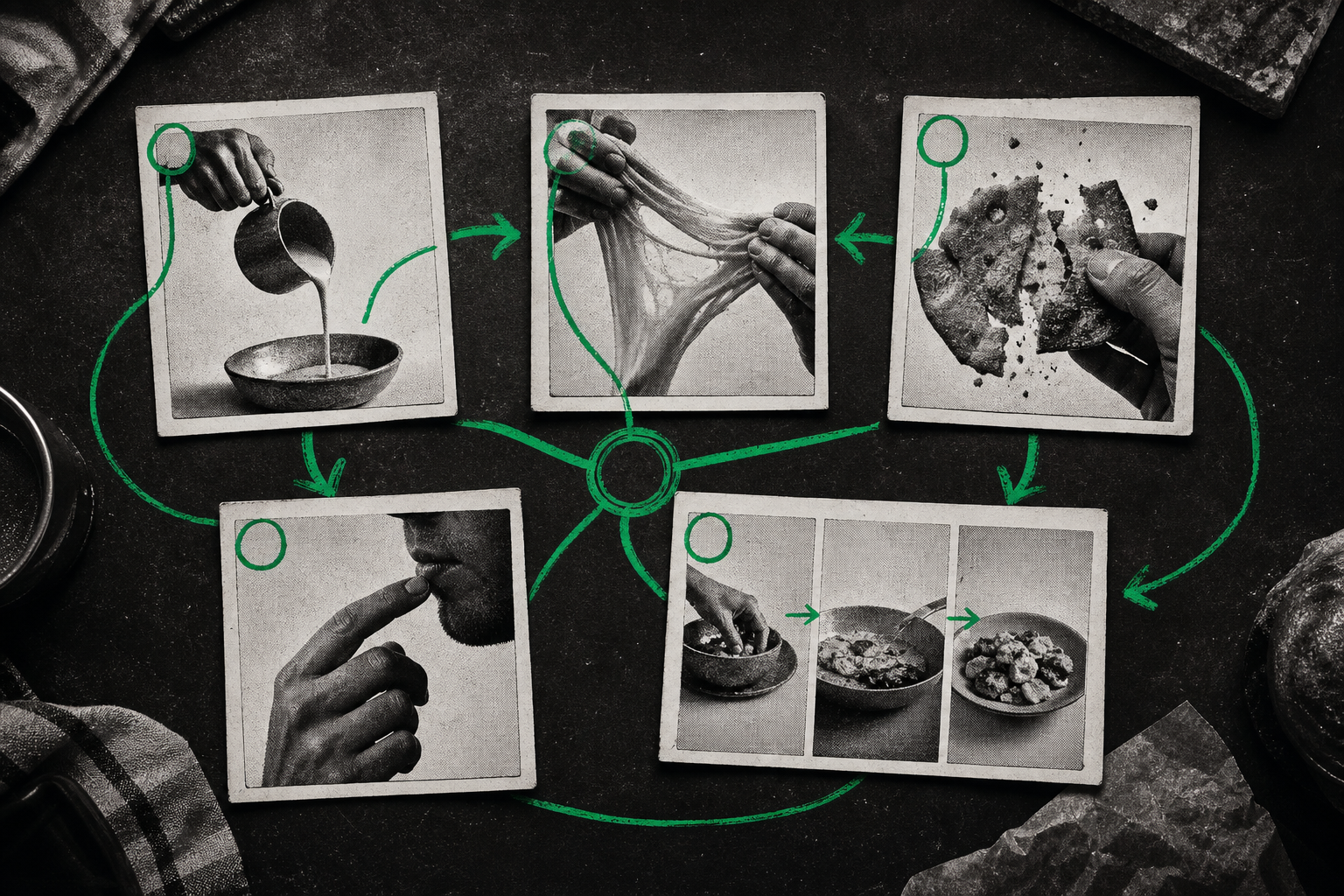
If the finished food is the reward, show it early.
One public example opened with a finished crispy wrap before moving into the cooking process. Another began with oil pouring into a bowl and built the dish one ingredient at a time. A third showed a glazed loaf being squeezed so the surface cracked and the inside compressed.
These are different formats, but the logic is the same: give the viewer a reason to care about the steps.
Build the opening around a visible result:
→ break the cookie and show the center
→ lift the bite and hold the cross-section
→ pour the drink where its color and body are easy to see
→ place the full lineup in frame before the ranking begins
→ show the finished plate before the first prep step
Then move backward. Show the minimum process needed to make the result credible.
Do not confuse “result first” with “skip the explanation.” If the recipe, preparation, or serving behavior is why someone would save the post, that process still needs to be clear.
Texture is your closest substitute for taste
The viewer cannot taste through a phone. Texture is often the next best thing because it changes under visible pressure.
Use actions that reveal the inside:
- Cut through the product in one clean shot.
- Pull a piece apart rather than presenting an untouched beauty shot.
- Press or bend it when softness matters.
- Show bubbles, layers, crumb, coating, or resistance at phone size.
- Hold the pour long enough for the viewer to read thickness and color.
This is where framing beats equipment. A beautiful wide shot can hide the exact detail the buyer wants. Move the camera close. Simplify the background. Keep hands and utensils from blocking the change.
For more on translating physical properties to a screen, read sensory marketing video.
Make convenience visible
“Easy” is another empty claim until the viewer sees the work.
If convenience is the selling point, show the real sequence from start to finish. Count the meaningful actions in the edit. Let the package open on camera. Show cleanup if cleanup is part of the objection.
One public example compressed a familiar meal into a simple top-down process followed by a lifestyle taste moment. Another framed leftover ingredients as the start of a new recipe. The useful idea is not the exact dish. It is the before-state: hungry, short on time, trying not to waste something, or looking for a repeatable shortcut.
A creator brief can be this plain:
Starting problem: It is late and you want something better than a random snack.
Visible sequence: Package, preparation, heat, plate, bite.
Proof shot: The texture or portion in a tight frame.
Honest limit: Do not call it effortless if the video hides meaningful work.
That gives the creator a real situation instead of a pile of talking points.
Use scale when scale answers a question
Food and beverage content can use abundance well: a stocked fridge, a full retail shelf, an ingredient spread, or a lineup ready to rank.
But scale needs a job.
A stockpile can communicate repeat use or prepare the viewer for a batch recipe. A shelf walk can make availability and packaging clear. A full lineup can declare the boundaries of a comparison.
Randomly stacking product is not proof of popularity. Do not turn a creator's personal quantity into a broad demand claim. If the audience cannot tell why the quantity matters, the shot is decoration.
Reactions should close the loop
Reaction content is useful when the setup creates a fair question.
Blind taste tests do this well. The audience can see the labeled options while the creator cannot. Every sip advances the same open loop: Will they identify it, and what happens when they reach the decoy?
A regular taste reaction needs the same discipline. Show the product, the preparation, and the bite that caused the expression. Keep the reaction proportionate. If the creator is paid or received free product, the required relationship disclosure should be clear and hard to miss. The FTC's influencer guidance says video endorsements should carry the disclosure in the video, not only in the description.
For the full test setup, see blind taste-test marketing.
Separate recipes from product proof
A recipe can earn a save while doing almost nothing for the product.
Watch for this failure: the creator makes a beautiful dish, the package appears for a second, and any substitute ingredient would have worked. The content may perform as entertainment but fail to teach the buyer why this product belongs in the recipe.
Fix it by assigning the product a visible role:
- It changes the texture.
- It removes a preparation step.
- It supplies the central flavor.
- It creates the color or finish.
- It is the convenient form of an otherwise annoying ingredient.
If you cannot show the difference honestly, do not force the recipe into a product demonstration. Treat it as lifestyle content and measure it accordingly.
Control food, nutrition, and comparison claims
The camera can show a package. It cannot independently verify everything printed on it.
Before production, give the creator an approved claims list copied from the brand's reviewed product materials. Also give them a no-go list. That matters for nutrition, allergen, health, environmental, and comparative claims.
Be careful with phrases like:
- healthier
- clean
- guilt-free
- better for you
- sugar-free
- high protein
- allergy-safe
- clinically proven
Some may be allowed in a specific, substantiated context. None should be improvised because they sound normal in creator content. The FDA explains that food and supplement claims fall into different categories, with different requirements.
This is not legal advice. It is a production rule: the creator should not be your claims department.
Your first food and beverage UGC test matrix
Do not begin with a calendar full of unrelated recipes. Start with one buyer doubt and three ways to make it visible.
Test: Texture. Opening: Break, squeeze, or pour. Main proof: Tight cross-section. Signal to watch: Early hold and texture questions
Test: Convenience. Opening: Finished result first. Main proof: Complete short sequence. Signal to watch: Saves and completion
Test: Comparison. Opening: Full set in frame. Main proof: One-at-a-time verdict. Signal to watch: Comments, completion, product clicks
Keep the creator, product, offer, and distribution comparable. If you change every variable, you will get three posts and no clear learning.
Write down what would disprove each idea before posting. Maybe the texture opening holds attention but produces no product interest. Maybe the recipe earns saves but viewers never mention the product. That is not failure. That is the reason to test.
Our UGC testing system shows how to separate the creative decision from the noise around it.
A food creator brief that stays usable
Give the creator this:
- The eating, drinking, cooking, or shopping moment.
- The buyer doubt the video should answer.
- The visible food behavior that can answer it.
- The package and product shots that must stay legible.
- Approved claims and banned claims.
- Disclosure and usage-rights requirements.
- The signal the brand plans to evaluate.
Leave room for the creator to choose their words, kitchen, pacing, and natural reaction. Strategy should be fixed. Performance should still feel like them.
Make the product earn the reaction
Do not leave the meeting with “make more UGC.” Leave with one product question and the shot that makes the answer easier to judge.
Give that job to a credible creator, compare the result with something useful, and keep the learning even if you kill the post. That is more valuable than adding another dozen unrelated recipes to the folder.
If you want help building the first category-specific test, see how Emerald approaches social media marketing.
FAQ
What makes good food UGC?
Good food UGC gives the viewer a clear occasion and something visible to judge, such as texture, preparation, portion, packaging, comparison, or a credible reaction tied to a real bite.
What should a food UGC brief include?
Include the buyer doubt, serving occasion, required product shots, sensory proof, preparation sequence, approved claims, prohibited claims, disclosure, usage rights, and the signal the brand will use to evaluate the post.
Are recipes always good UGC for food brands?
No. A recipe can earn attention while making the product replaceable. The product needs a visible role in the result, or the brand should treat the post as lifestyle content rather than product proof.
How should a brand test beverage UGC?
Start with one question, such as taste expectations, convenience, or comparison. Test a small set of distinct visual proofs while holding the creator, offer, and distribution as stable as possible.
How we built this guide
This article uses visible details from public short-form posts in food and beverage categories. A source post cannot prove why it worked or predict an adapted result. None of the cited brands are presented as Emerald clients.
- Finished-result recipe sequence
- Pour-led assembly example
- Food texture manipulation example
- Convenience-led cooking example
- Blind beverage test example
- FTC influencer disclosures
- FDA food and supplement label claims
Structured data
```json { "@context": "https://schema.org", "@type": "Article", "headline": "Food and Beverage UGC: Make Taste Judgeable Before the First Bite", "description": "A practical system for briefing and testing food and beverage creator content.", "mainEntityOfPage": "https://emerald.digital/insights/food-and-beverage-ugc", "author": { "@type": "Person", "name": "Matthew Berman" }, "publisher": { "@type": "Organization", "name": "Emerald Digital" }, "image": "https://emerald.digital/media/insights/creator-breakout-program/food-and-beverage-ugc-hero.png" } ```
```json { "@context": "https://schema.org", "@type": "FAQPage", "mainEntity": [ { "@type": "Question", "name": "What makes good food UGC?", "acceptedAnswer": { "@type": "Answer", "text": "Good food UGC gives the viewer a clear occasion and something visible to judge, such as texture, preparation, portion, packaging, comparison, or a credible reaction." } }, { "@type": "Question", "name": "What should a food UGC brief include?", "acceptedAnswer": { "@type": "Answer", "text": "Include the buyer doubt, occasion, required product shots, sensory proof, sequence, claims controls, disclosure, usage rights, and evaluation signal." } }, { "@type": "Question", "name": "Are recipes always good UGC for food brands?", "acceptedAnswer": { "@type": "Answer", "text": "No. A recipe can earn attention while making the product replaceable. The product needs a visible role in the result." } }, { "@type": "Question", "name": "How should a brand test beverage UGC?", "acceptedAnswer": { "@type": "Answer", "text": "Start with one buying question and test distinct visual proofs while holding the creator, offer, and distribution as stable as possible." } } ] } ```