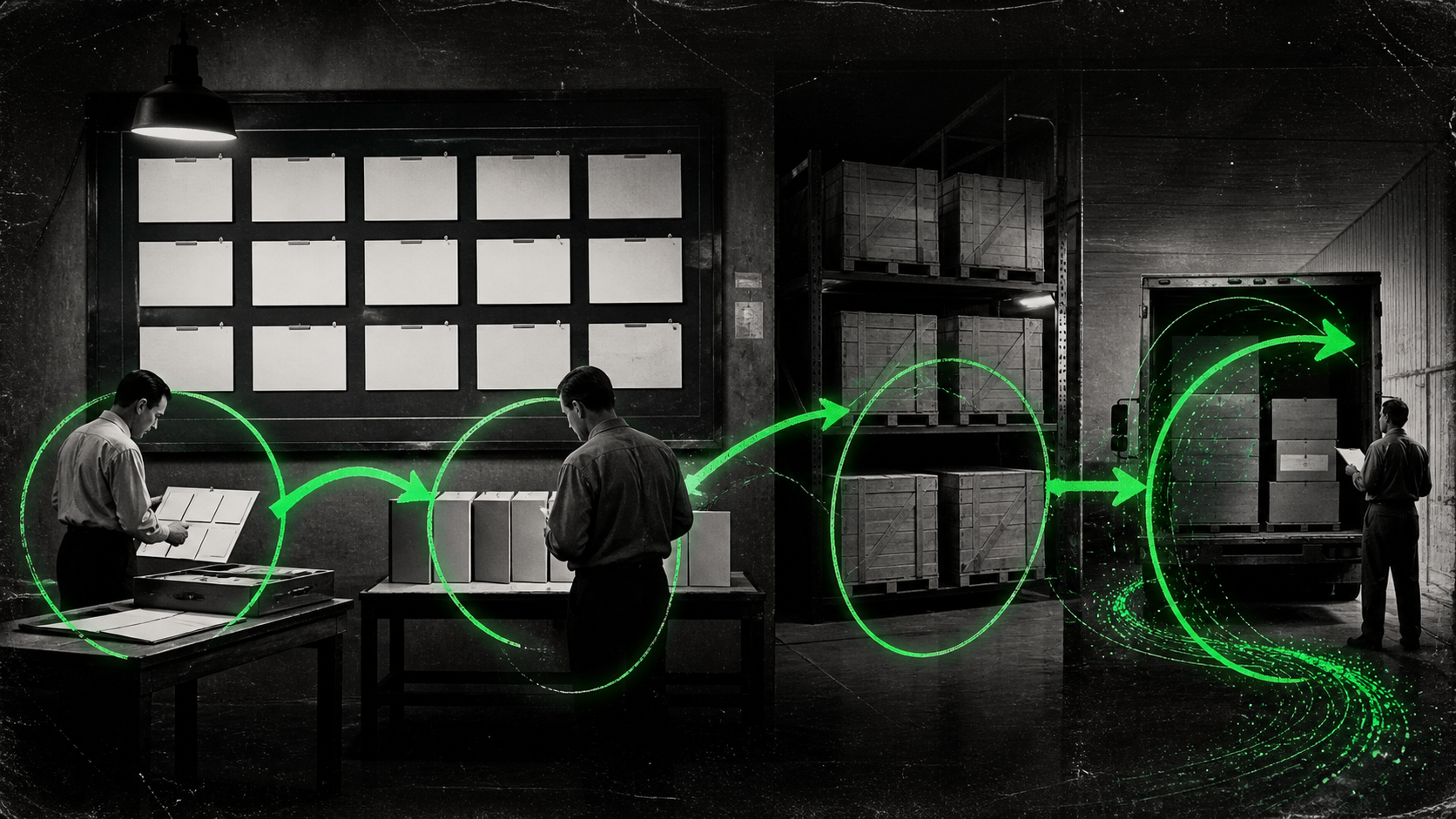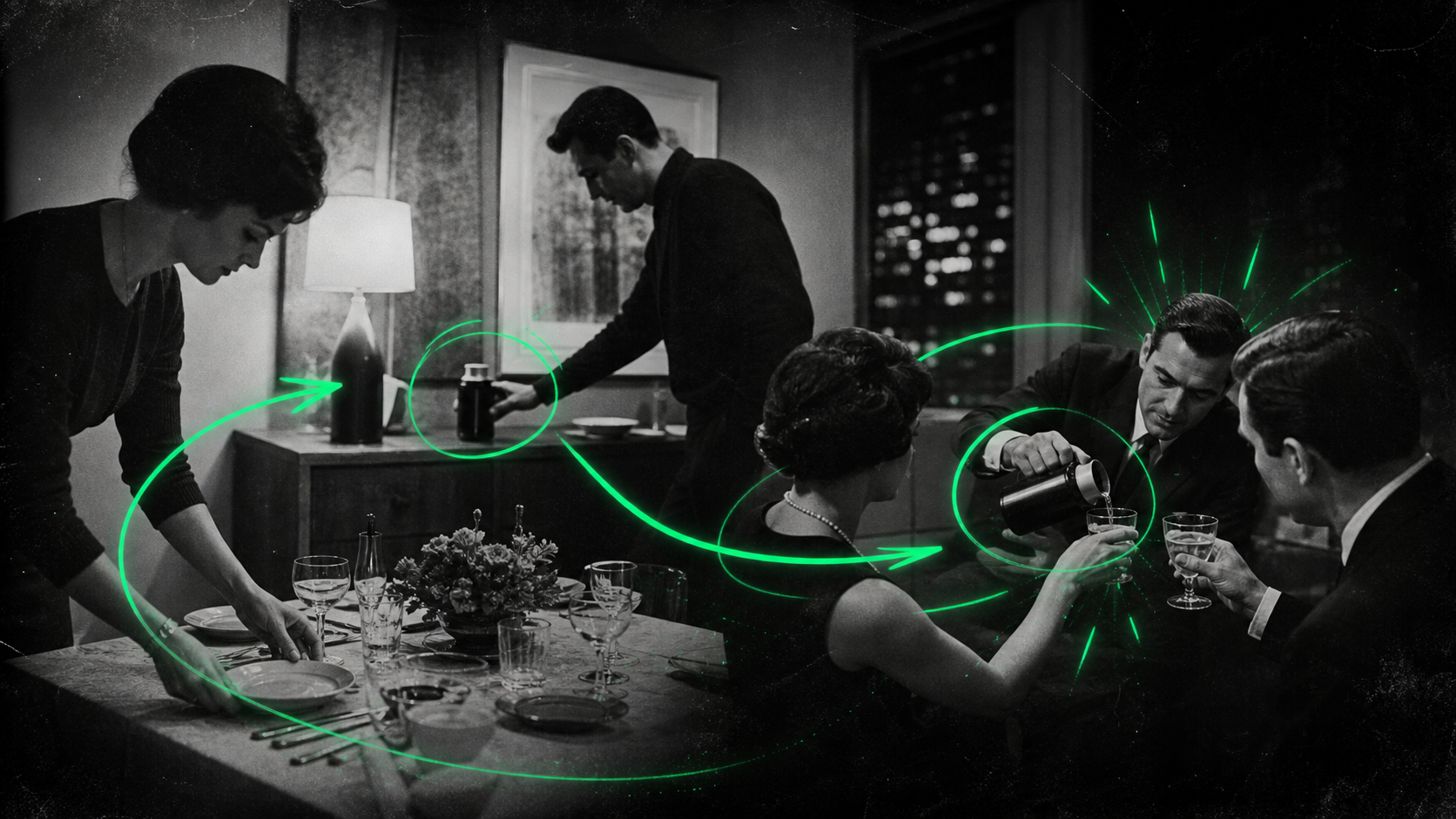
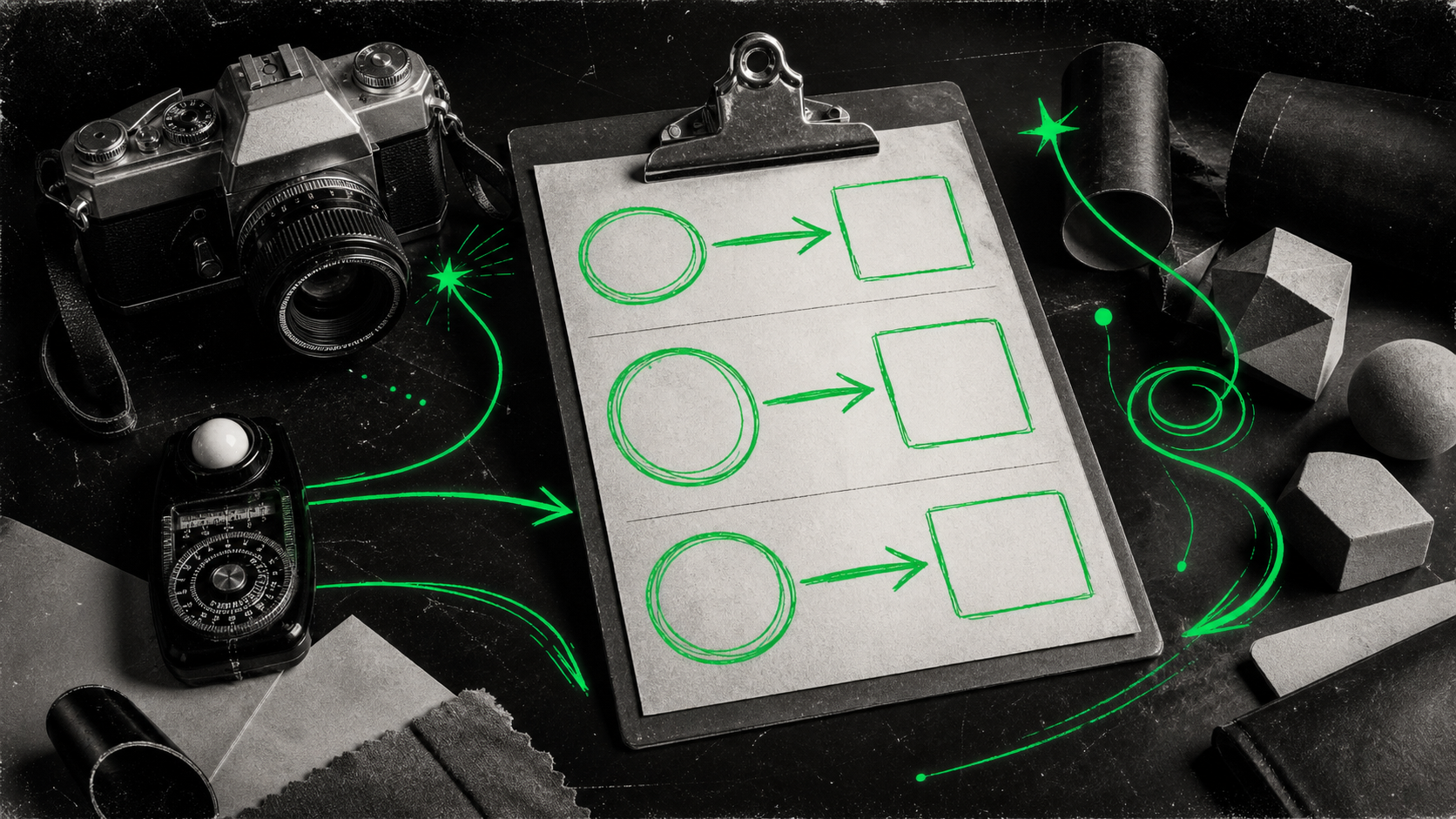
A strong UGC creative brief makes the important decisions before the creator starts filming. It names the buyer doubt, the visible evidence, the opening action, the non-negotiable product truth, the creator's freedom, the rights, and the result that decides what happens next.
It should not tell a creator to “make it authentic.” That is not direction. It is a request for the creator to solve your strategy problem on camera.
The template below gives them a clear job and enough room to perform it like a person.
Copy this UGC creative brief template
```text PROJECT Brand: Product: Asset job: Channel and placement: Due date:
AUDIENCE Who this is for: What is happening in their life when they see it: The doubt or friction already in their head:
PRODUCT TRUTH Approved product truth: Claims the creator may use: Claims or implications the creator must avoid: Required disclosure language:
CREATIVE IDEA Opening action in frame zero: The visible evidence: When the brand or product appears: The payoff: Why this creator fits the action:
REQUIRED CAPTURE Must-have shots: Must-have product details: Audio or caption requirements: Phone-size legibility check:
CREATOR FREEDOM What the creator should say in their own words: What they may change: What must stay fixed:
RIGHTS AND DELIVERY Organic usage: Paid usage: Usage term and territory: Whitelisting or partnership permissions: Music, location, talent, and third-party asset restrictions: Raw footage required: File specs:
TEST Hypothesis: Control: Primary success signal: What would prove the idea wrong: Known variables that could muddy the result: ```
Do not send this as a wall of empty fields. Fill it. Cut anything irrelevant. Attach product facts and legal language where the creator can actually find them.
What each section is doing
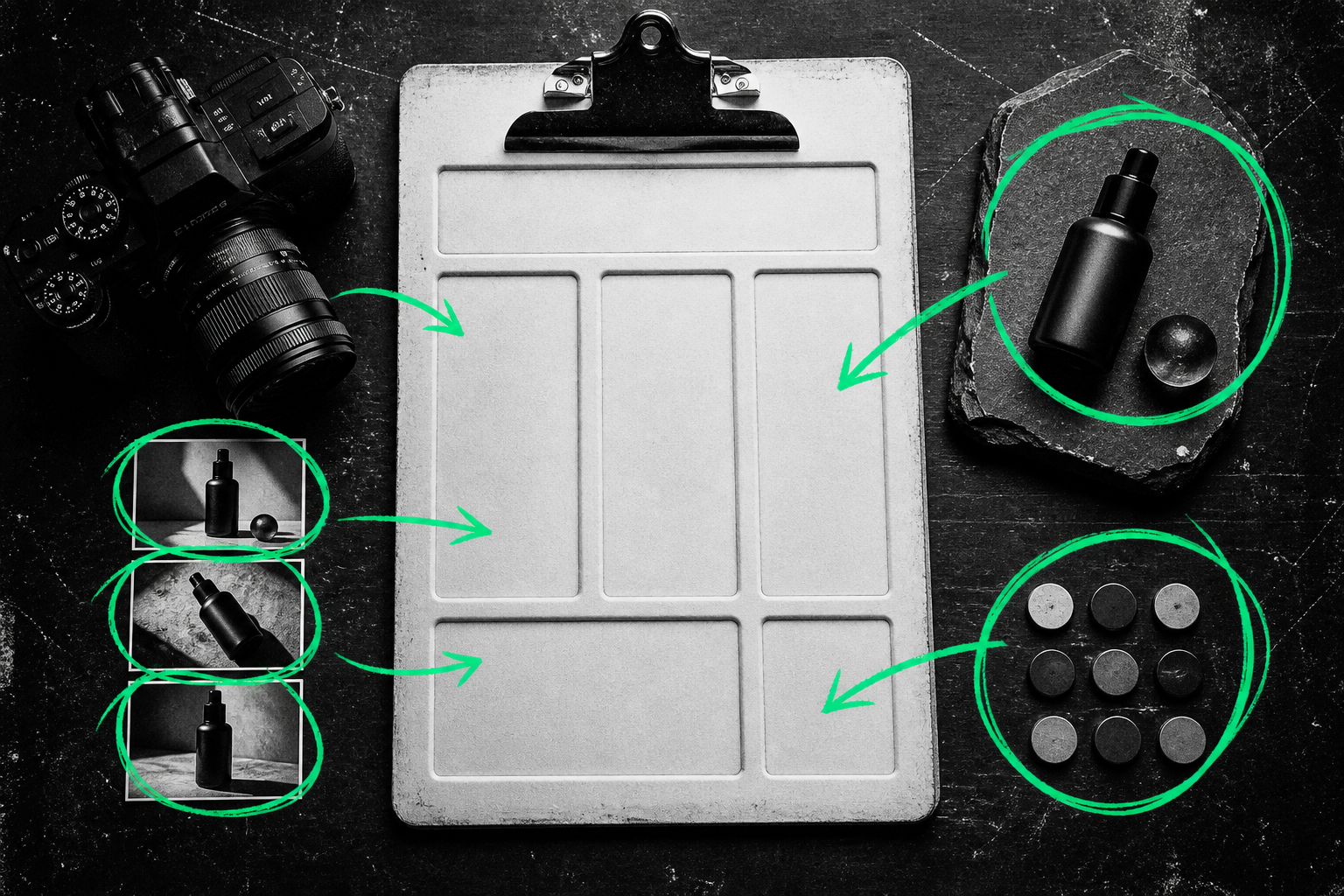
Most creator briefs fail because they treat production details as strategy. Aspect ratio, runtime, and file type matter. They do not explain why the video deserves to exist.
Here is what the load-bearing fields solve.
Asset job
Pick one job.
Is the video meant to make a new product understandable? Remove a product objection? Give paid media a fresh opening? Make a use occasion worth saving? Answer a recurring comment?
*Drive awareness and conversion* is two vague jobs hiding in one line.
Audience tension
Write the uncomfortable thought already in the buyer's head.
*This looks good, but I bet it is a pain to set up.*
*Every version of this product claims the same thing.*
*I would try it, but I cannot tell what makes it different.*
Specific language gives the creator something to react to. Demographics alone do not.
Approved product truth
Give the creator facts they can safely use. Product dimensions, ingredients, materials, availability, included parts, preparation requirements, or other verified information may belong here.
Do not make the creator hunt through a product page and decide which claims are safe. That is your team's job.
Visible evidence
This is the thing the camera can make judgeable.
A hidden mechanism opens. A surface changes under light. A tool assembles from parts. A recipe stays in one pan. A transparent shaker shows the entire preparation.
If your evidence is “creator says it works,” you do not have visible evidence yet.
Opening action
Describe an action, not a line of copy.
Weak: *Start with a strong hook about convenience.*
Useful: open on the dry sheet dropping directly into the simmering sauce so the shortcut is visible before the explanation.
That direction is inspired by a public one-pan cooking source where the constraint and the shortcut appear together. The brand execution still needs a new creator, product truth, setting, wording, and shot plan.
Success signal
Match the signal to the job.
A demonstration built to remove doubt might be judged by qualified comments, click behavior, and retention through the proof moment. An occasion-led post may show value through saves and shares. A hook test needs a comparable control.
Do not call a post successful because one metric looks large. Decide what matters before the result arrives.
What would prove the idea wrong
Write the kill condition while everyone still loves the concept.
Maybe viewers stay for the transformation but leave before the product is clear. Maybe comments repeat the exact doubt the demo was supposed to settle. Maybe the creator's audience responds to the activity but ignores the product.
This field turns content production into learning.
!Creator brief card showing the path from buyer doubt to visible proof and test result
How much should you script?
Script the truth. Brief the performance.
Exact wording makes sense when a claim, disclosure, pronunciation, offer, or product instruction cannot move. Everything else should sound like the creator.
Give them:
- the point they need to land
- the evidence they need to capture
- the beats that must survive the edit
- the language they cannot use
Then let them choose the sentence.
If you lock every word, pause, gesture, and reaction, you are not hiring a creator. You are hiring talent to read an ad. That can be the right production choice, but call it what it is.
A worked example for an abstract product
Assume the product is a modular desk accessory. The example uses no real brand name, performance claim, or borrowed footage.
```text ASSET JOB Make the assembly and finished use understandable without a spoken explanation.
AUDIENCE TENSION The product looks like another unnecessary desk object until the parts connect.
APPROVED PRODUCT TRUTH Use only the verified material, included-part, compatibility, and care facts supplied in the product sheet.
OPENING ACTION Place the separate components on a dark work surface, one at a time, close enough to show how their shapes relate.
VISIBLE EVIDENCE Assemble the full object in one continuous overhead sequence. Keep the connection points visible.
BRAND REVEAL Show the product mark only after the object is assembled and its function is clear.
CREATOR FIT A maker, organizer, or workstation creator who already handles objects precisely on camera.
REQUIRED SHOTS All components, each connection point, finished object in use, scale reference, product mark.
CLAIM EXCLUSIONS No durability, ergonomic, productivity, or compatibility statement outside the approved product sheet.
CREATOR FREEDOM The creator controls the surface, pacing, hand movements, sound, and final reaction.
SUCCESS SIGNAL Viewers reach the function reveal and ask product-specific questions rather than basic “what is this?” questions.
WHAT WOULD PROVE IT WRONG The assembly holds attention but the finished use remains unclear at phone size. ```
The component-first setup borrows a broad mechanism observed in a public tool-assembly post. It does not borrow the source product, script, creator, or visual treatment.
Add a first-frame plan
Creators cannot rescue a dead opening with a better caption later.
Put the first frame in the brief as a production instruction. A convertible-chair source begins with the hidden part already moving. A blind taste-test source puts the entire game in one frame: a concealed tasting rig for the creator and visible answers for the audience.
Neither requires a generic spoken hook to explain why someone should stay.
Before approval, shrink a still of the opening to phone size. Can you identify the object, action, and unresolved question? If not, the hook is still a sentence looking for footage.
For more on that decision, read TikTok hooks for brands.
Rights belong in the brief, not the email thread
Spell out organic use, paid use, term, territory, whitelisting, edit rights, raw-footage delivery, exclusivity, and renewal terms as applicable. Also state who is responsible for licensed music, locations, releases, props, and anybody else appearing on camera.
The commercial agreement should carry the final legal terms. The brief should make the production consequence visible so nobody discovers after approval that the brand cannot use the asset where it was intended.
Run the brief through a pre-shoot check
Before it leaves your team, ask:
- Can the creator explain the asset's job in one sentence?
- Is the opening an action they can film?
- Can the viewer inspect the promised evidence on a phone?
- Are product facts and exclusions approved?
- Is creator freedom explicit?
- Are usage rights and deliverables clear?
- Does the test have a control and a kill condition?
If one answer is no, fix the brief before the shoot. Reshoots are a painful place to finish a decision you could have made in the document.
Build the broader system with UGC content strategy, then measure the asset with a UGC testing framework. If you want the strategy and production managed by senior operators, see Emerald's social media marketing services.
FAQ
What should a UGC creative brief include?
Include the asset's job, audience tension, approved product truth, visible evidence, opening action, creator fit, required shots, claim exclusions, usage rights, success signal, and the result that would make you reject the idea.
How long should a UGC brief be?
Long enough to settle the strategic, legal, and production decisions, but short enough that a creator can scan it before filming. Put background research in links or an appendix instead of burying the shoot direction.
Should a UGC brief include a full script?
Only when compliance, product accuracy, or a locked campaign line requires exact wording. Otherwise give the creator the message, evidence, and required beats, then leave room for their natural performance.
How do you know if a UGC brief worked?
The delivered asset should make the intended buyer doubt visible, show the required evidence clearly on a phone, preserve creator credibility, and produce a test result your team can act on.
How we built this guide
This template combines Emerald's creator-production approach with visible details from public short-form posts. The examples identify production mechanics only. They do not claim that a mechanism caused performance or that Emerald worked on the source content.