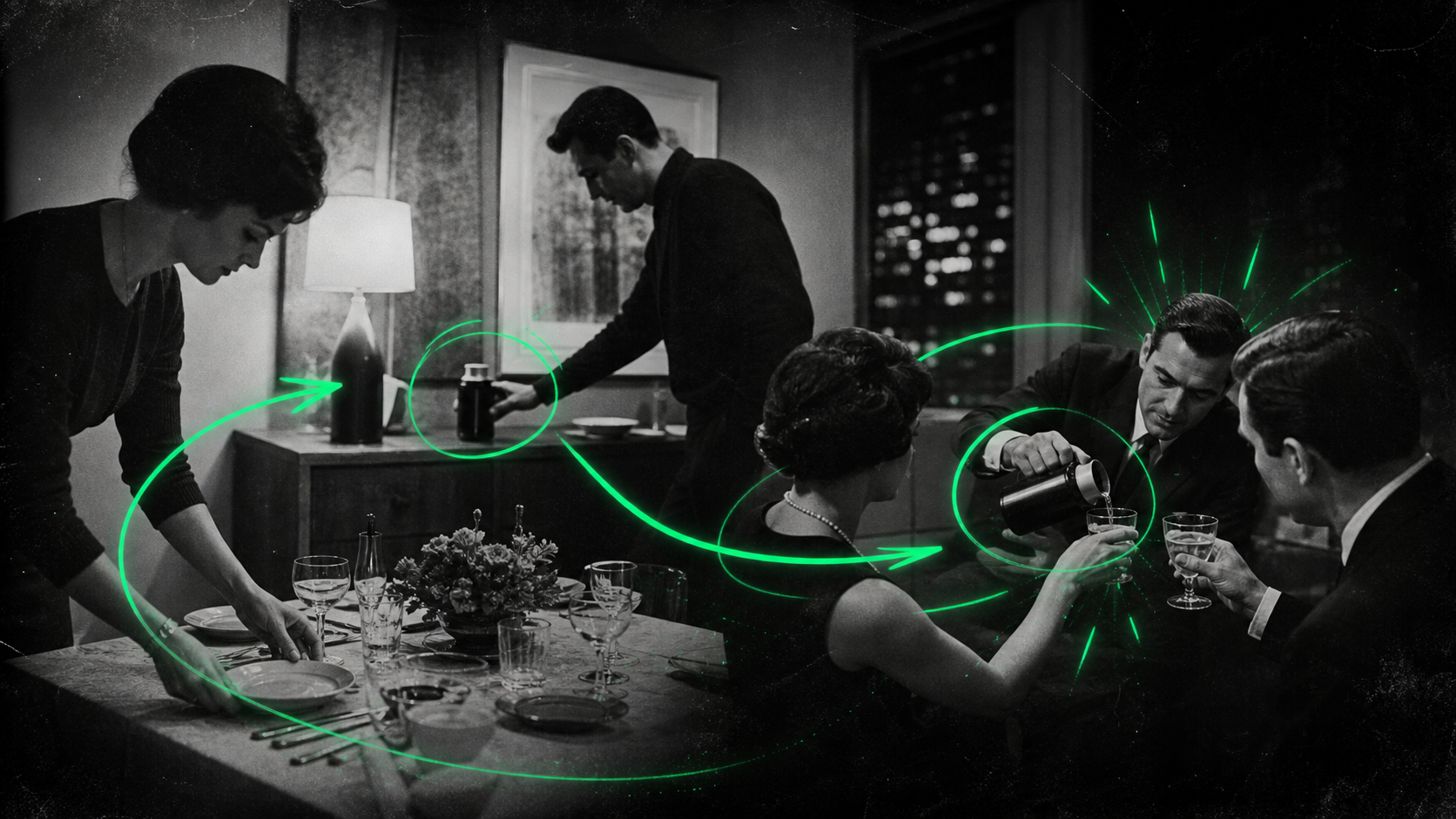

Being in the digital marketing world as long as I have, I am hyper aware of trends, and not just on social media platforms. I look for the bigger trends in digital marketing and how these impact businesses and the future of marketing itself. While on Instagram and TikTok a few weeks ago, I came across a video that slapped me right in the face and made me feel extremely disappointed in myself that I didn’t see this sooner.
What video was this? It is a video an artist made to showcase his art. Sounds boring, right? Wrong! HERE is the video if you want to see how he nailed organic marketing and why I was caught off guard.
Now, why did Mr. Gethyn Davies' video resonate so much with me that I’m taking time to write an entire article around it? Because his video was anything but boring, and that was the sole reason it performed so well. He recognized what I tell my clients all day everyday: Create exciting, relatable content with hooks to immediately draw in users and increase engagement.
But what if your channel, your brand, your content is not inherently exciting? Well, that's why I'm writing this today.
The Gladiator and the Emperor
Let's be real, "organic marketing" sounds like a lovely, sun-drenched field of wildflowers, doesn't it? You plant your content seeds, nurture them with creativity, and watch them bloom. Except, that field is actually a digital gladiatorial arena. And the audience? A fickle emperor with a thumb twitch. And those wildflowers? They're at the mercy of algorithms that prioritize chaos over daisies.
We've all been there: your latest masterpiece, a carefully crafted piece of content which you spent time researching, scripting, creating, and editing, completely flops. Meanwhile, a video of a cat falling off a table goes viral. Why? Because the digital overlords, those algorithms powering Instagram, TikTok, and the rest, have decided that controversy and emotional rollercoasters are the main course, and have nothing for the amuse bouche that is your sad little video.
Social Media Algorithm's Hunger Games
Here’s the cold, hard truth: these platforms don't care about your brand's carefully curated aesthetic, your amazing talent you want to showcase to the world, nor your insightful blog post. They care about engagement. ENGAGEMENT!!!! And what drives engagement?
- Emotional Fireworks: Controversy, outrage, and even sheer shock value are like digital fireworks. They grab attention and ignite discussions, which algorithms interpret as "valuable." Think of it as the digital equivalent of rubbernecking at a car crash – you can't look away. This is why “hooks” are now one of the most important components in social media content.
- The Echo Chamber Effect: Algorithms love to keep you in your comfort zone, feeding you content that confirms your existing biases and ensures that you continue to mainline dopamine on its platform. This creates echo chambers where new and creativity are not valued as much as shock, excitement, and extreme viewpoints. As research has shown, algorithms can push users toward more extreme content over time.
- The Black Box Mystery: We're essentially playing a game where we don't know the rules. The inner workings of these algorithms are shrouded in secrecy, making it impossible to truly understand why certain content succeeds and others fail. This lack of transparency is a major issue. However, we are able to infer that the more exciting, the more controversial a piece of content is, the better it will perform.
Evidence of the Algorithm's Dark Side
- Studies consistently demonstrate that algorithms amplify harmful content, including misinformation, hate speech, and extremist ideologies.
- UCL research highlighted how TikTok's algorithms rapidly increase the amount of misogynistic content shown to young users. This shows that the algorithms are not neutral.
- Essentially, the algorithms are optimized for engagement, and controversial content creates the most engagement.
What This Means for Your Marketing Strategy
So, what's a digital marketer to do? Abandon all hope? Not quite. But you do need to understand that "organic" is a construct, a mirage created by algorithms. Here's how to navigate this digital minefield:
- Adapt or Perish: You must adapt your content to fit within the algorithm's framework. This doesn't mean sacrificing your brand's integrity, but it does mean understanding what resonates with your audience and how to deliver it in a way that the algorithm favors.
- Diversify Your Strategy: Don't put all your eggs in the "organic" basket. Explore paid advertising, influencer marketing, partnerships, affiliate marketing, and other channels to reach your target audience.
- Focus on Authentic Engagement: While controversy can drive short-term gains, building a loyal audience requires genuine connection. Focus on creating content that provides value and fosters meaningful interactions.
The Reality of “Organic” Marketing
The reality is that "organic" is a myth. The algorithms are the puppet masters, and we're all dancing to their tune. By understanding their power and adapting our strategies, we can navigate this complex landscape and find success in the digital age.
Just remember, in the digital jungle, the algorithm is king. But, even kings can be overthrown.